Industrial HDPE Pipe and Hose Systems for Demanding Fluid Transfer
Anaconda Pipe and Hose delivers HDPE pipe, slurry hose, and lay flat hose engineered for abrasive, high-solids fluid transfer. Quick-connect fittings and rental-ready systems reduce setup time, simplify teardown, and keep operations moving across dredging, mining, construction, and water management applications.
Contact Anaconda to match the right pipe, hose, and fittings for your project.
Browse Our Products
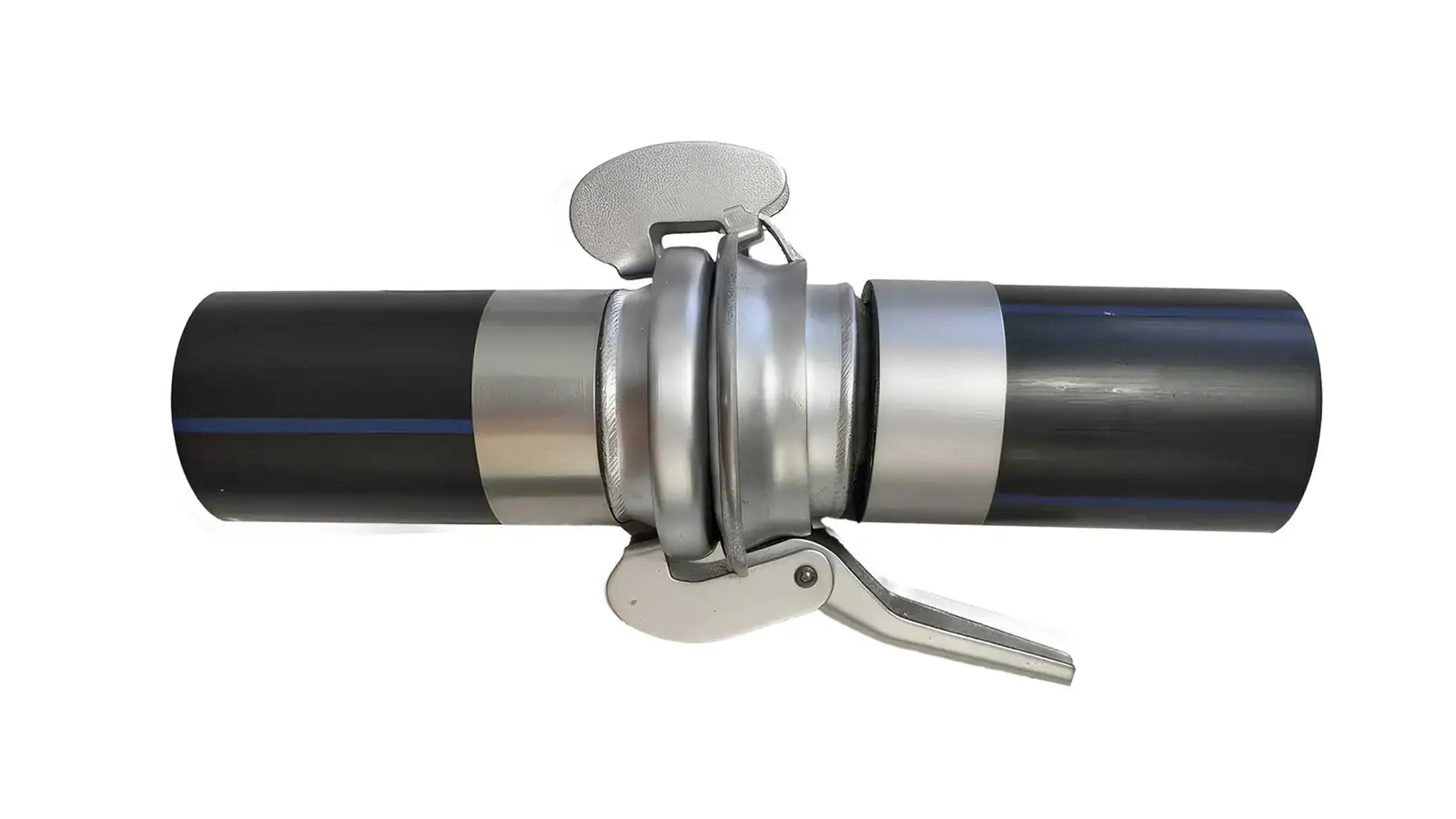
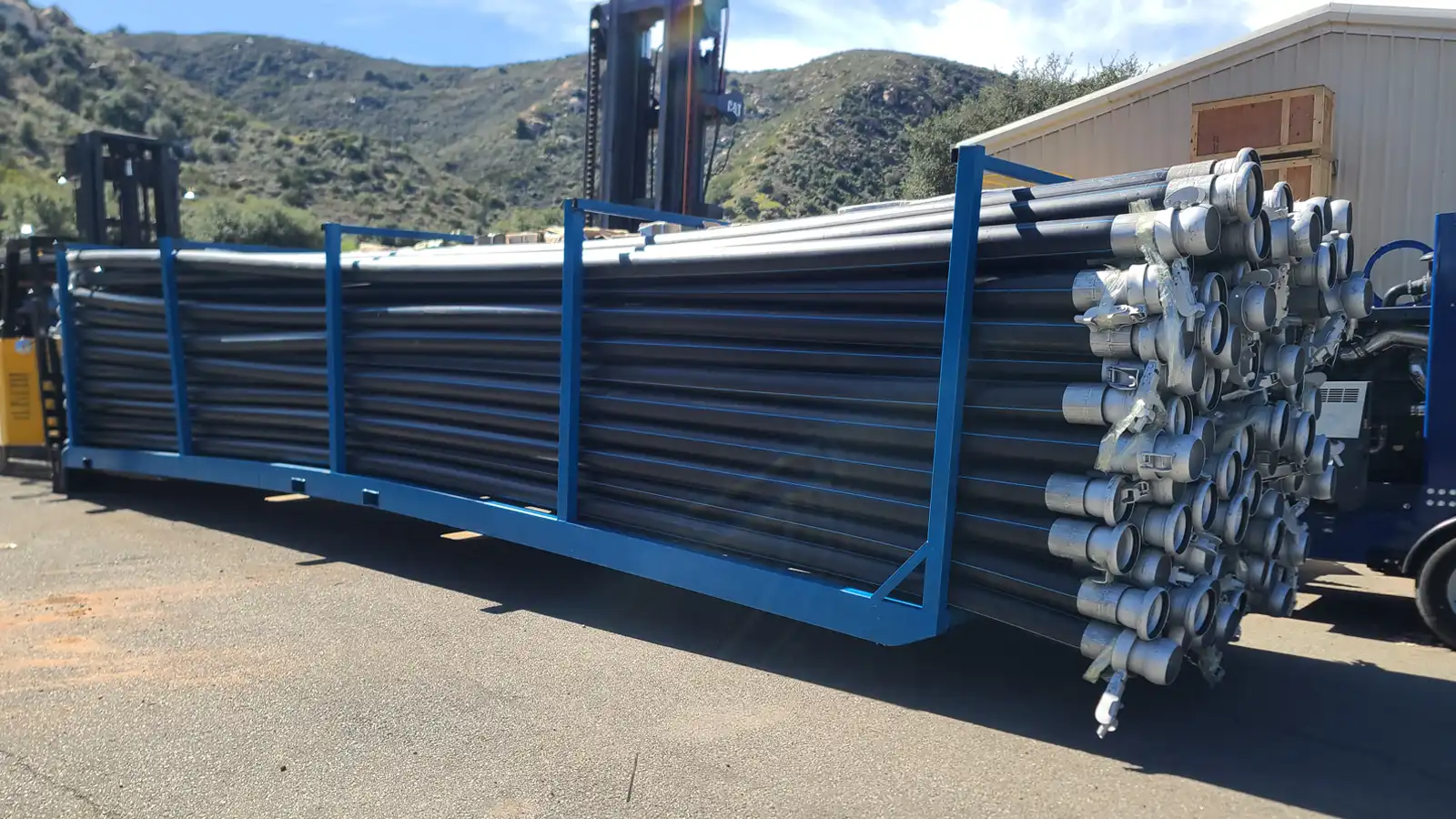
HDPE Pipe Systems with Quick-Connect Bauer Fittings
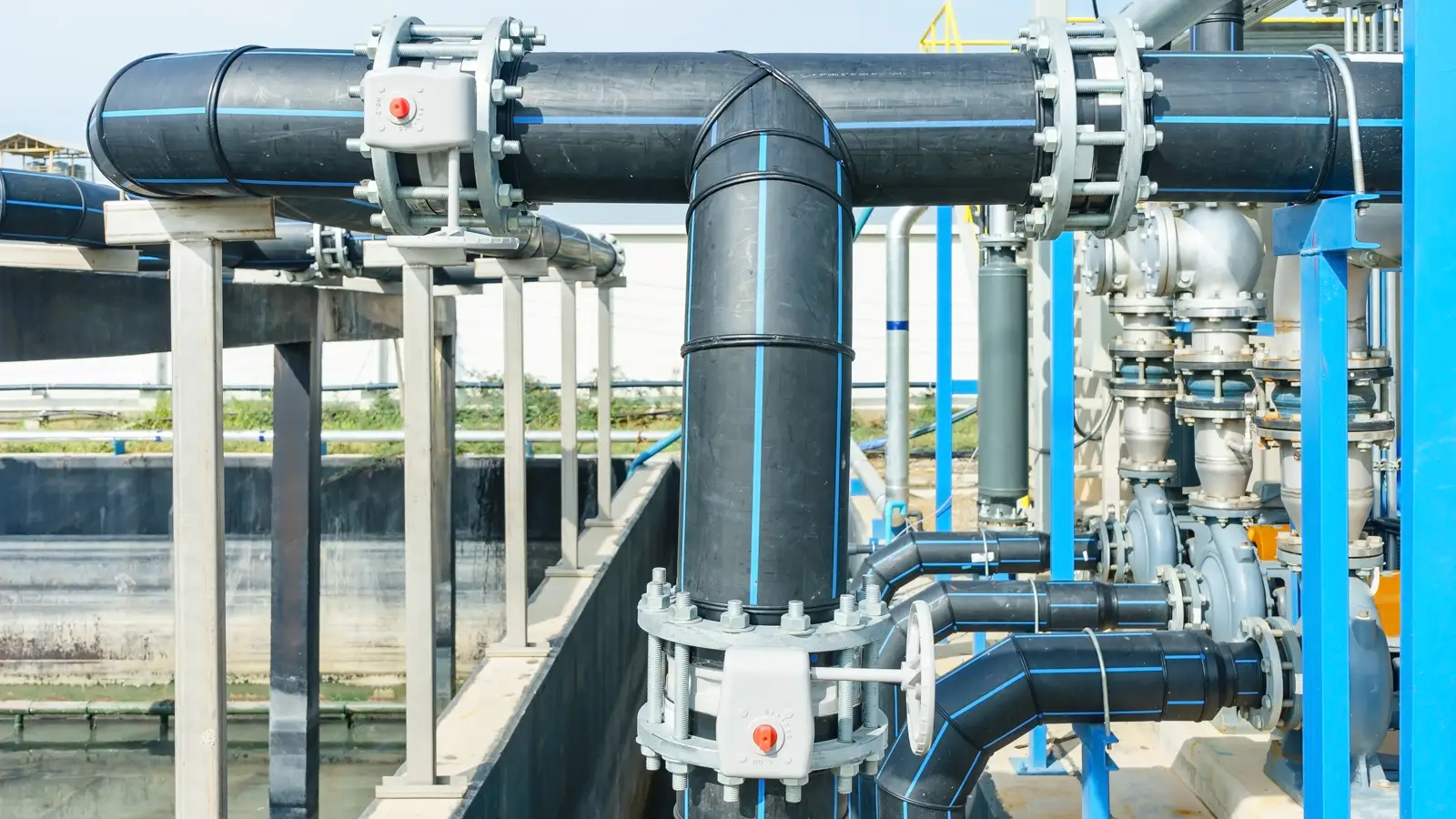
HDPE pipe systems are designed for high-volume fluid transfer where durability, flexibility, and fast deployment are critical. With integrated Bauer-style quick connections, these systems reduce field assembly time and eliminate the need for fusion welding on short-term or mobile projects.
- Fast connection and disassembly using Bauer fittings
- High resistance to abrasion, corrosion, and chemicals
- Flexible for uneven terrain and temporary installations
- Suitable for slurry, water, and dredging discharge lines
- Available for both rental and permanent installations
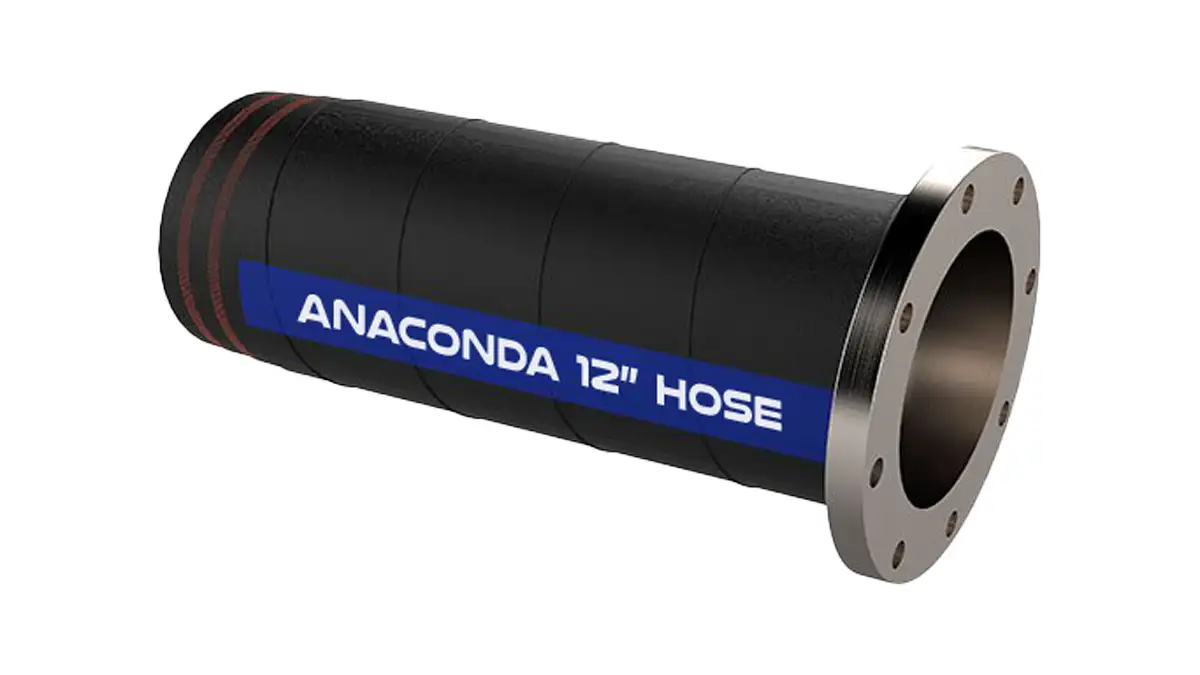
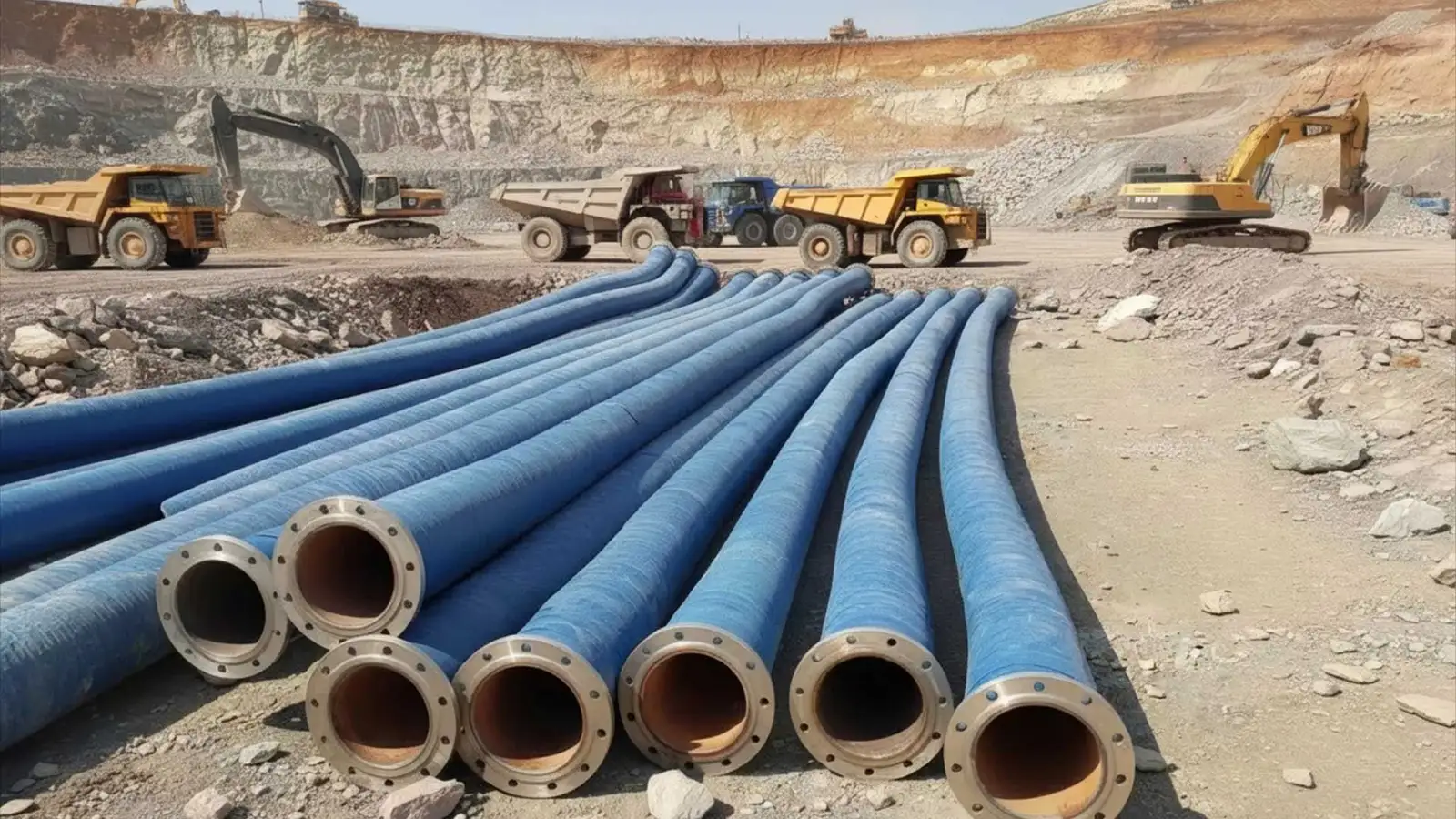
Industrial Slurry Hose for Abrasive Material Transfer
Industrial slurry hoses are built for transporting high-solids mixtures such as sand, sludge, tailings, and dredged material. Reinforced construction and multiple fitting options allow these hoses to operate reliably under pressure in demanding environments.
- Handles abrasive, high-solids slurry without rapid wear
- Compatible with multiple end fittings, including flanged systems
- Designed for dredging, mining, and industrial discharge
- Maintains flexibility while handling high-pressure flow
- Reduces downtime in continuous pumping operations
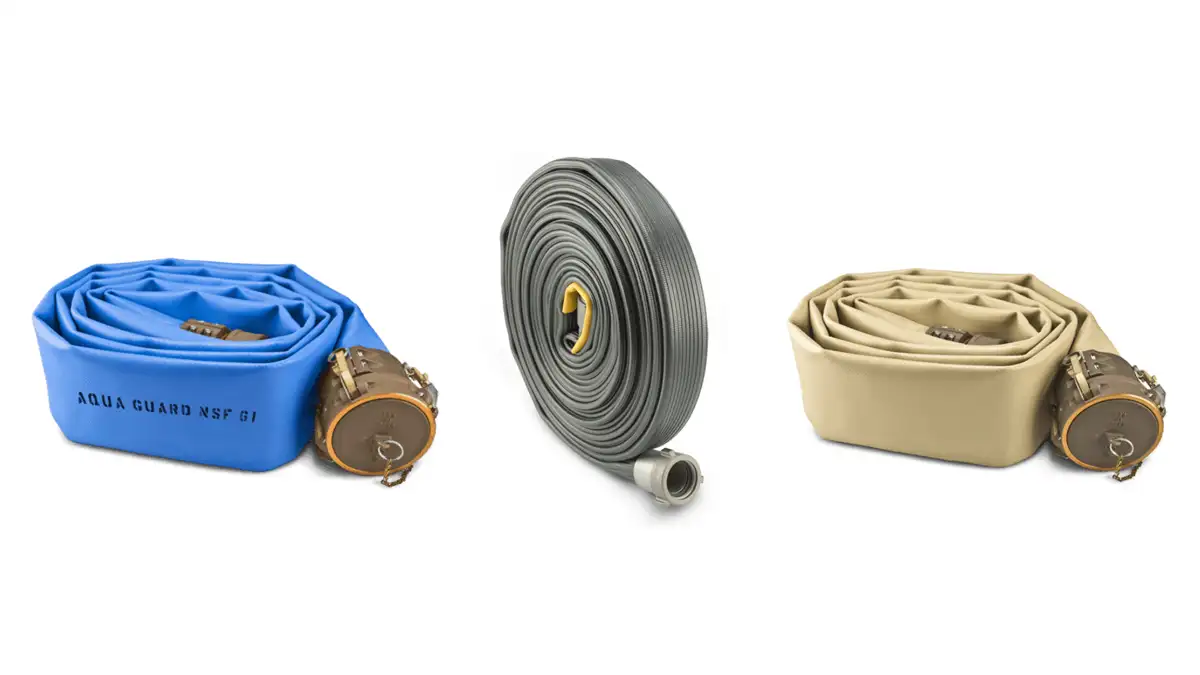
Lay Flat Hose for Water Transfer and Dewatering
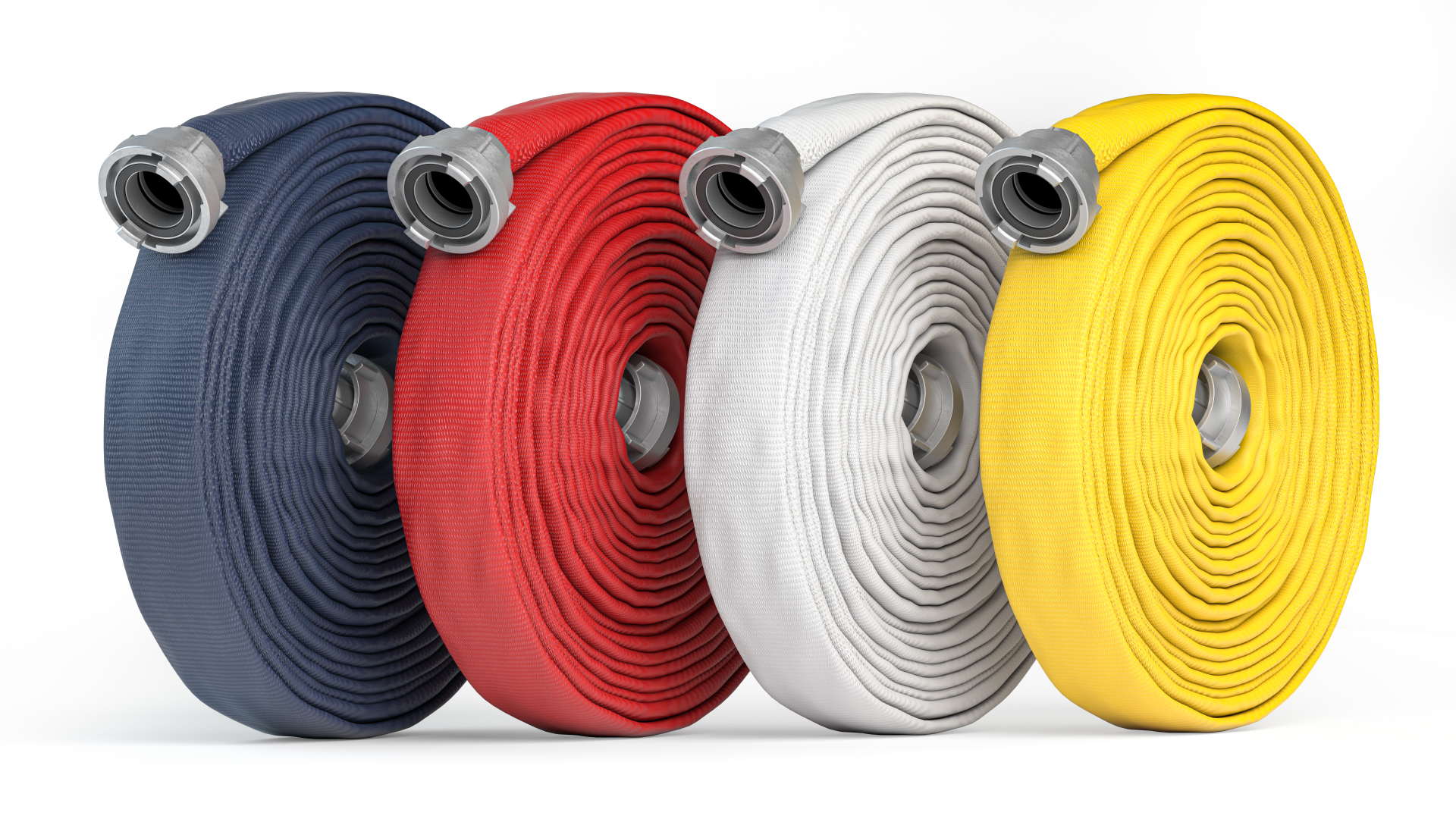
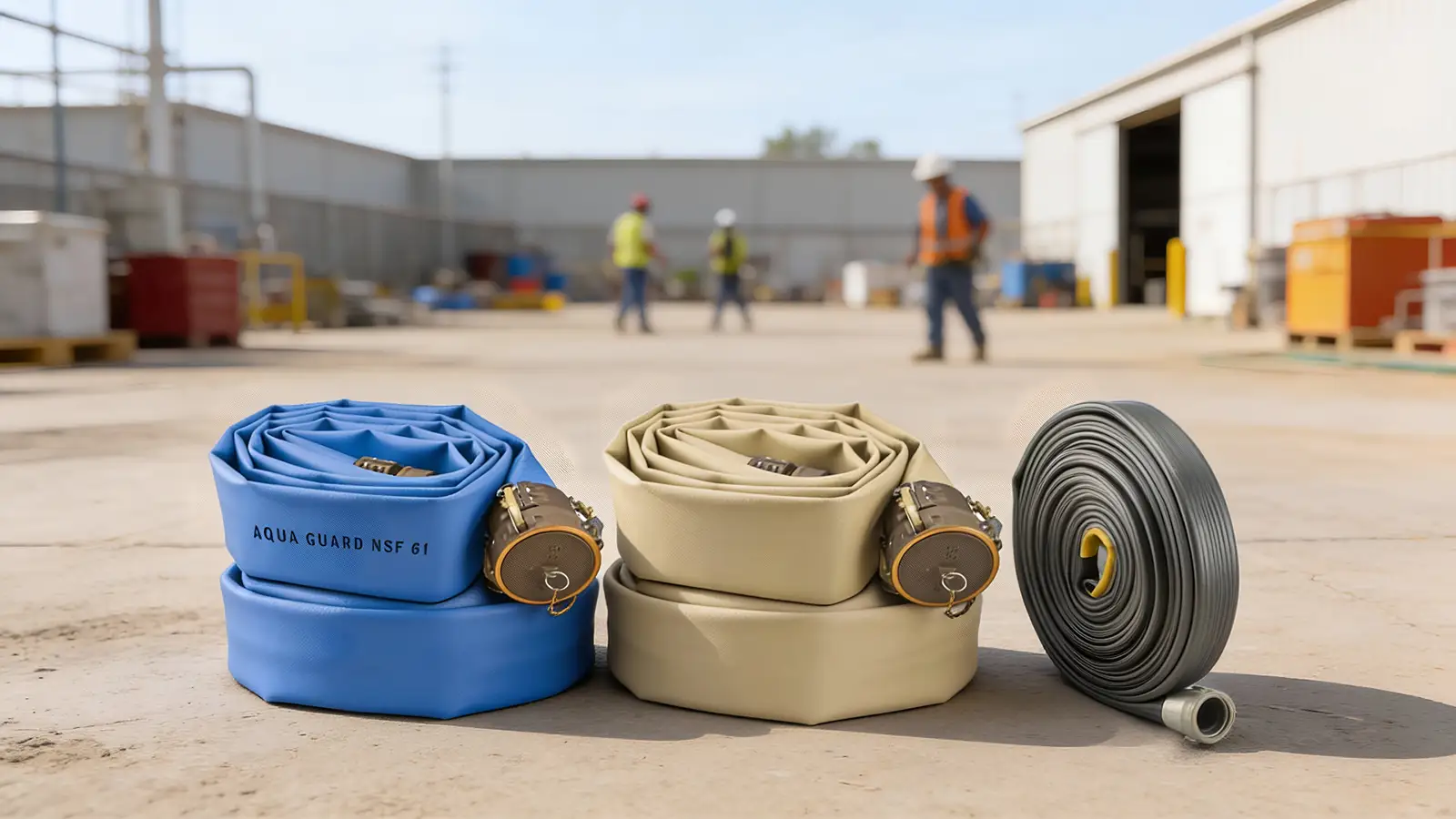
Lay flat hoses provide a lightweight, compact solution for water transfer, irrigation, and dewatering. Designed for rapid deployment, they are easy to transport, store, and install in applications where mobility and speed are priorities.
- Lightweight and easy to deploy in the field
- Compact storage when not in use
- Suitable for water, fuel, and chemical transfer
- Quick disconnect ends for fast setup and teardown
- Ideal for agriculture, construction, and emergency pumping operations
Choose the Right Transfer Solution
- HDPE Pipe Systems: Best for long-distance slurry and water transfer, modular routing, and rental-friendly deployment
- Industrial Slurry Hose: Best for abrasive discharge zones, pump connections, and high-wear sections
- Lay Flat Hose: Best for temporary water transfer, dewatering, bypass pumping, and fast deployment
HDPE Pipe and Hose Rentals for Short-Term Industrial Projects
Anaconda Pipe and Hose provides HDPE pipe and slurry hose rental solutions for short-term, high-priority projects where performance, speed, and cost control matter. Equipment is supplied ready for immediate deployment, helping maintain flow continuity and keep operations on schedule.
Why Rent Instead of Buy
- Eliminates large upfront capital investment
- Rental terms aligned to project duration (days, weeks, or months)
- Helps avoid long-term maintenance and storage requirements
- Access to application-specific pipe sizes, pressure ratings, and materials
- Fast delivery with a simple return process
Built for Real Jobsite Conditions
- Quick-disconnect HDPE pipe for rapid installation and reconfiguration
- Heavy-duty slurry hose designed for abrasive environments
- Pre-fabricated fittings reduce field labor and setup time
- Equipment tested to meet industrial performance standards
Engineered to Fit Your Project
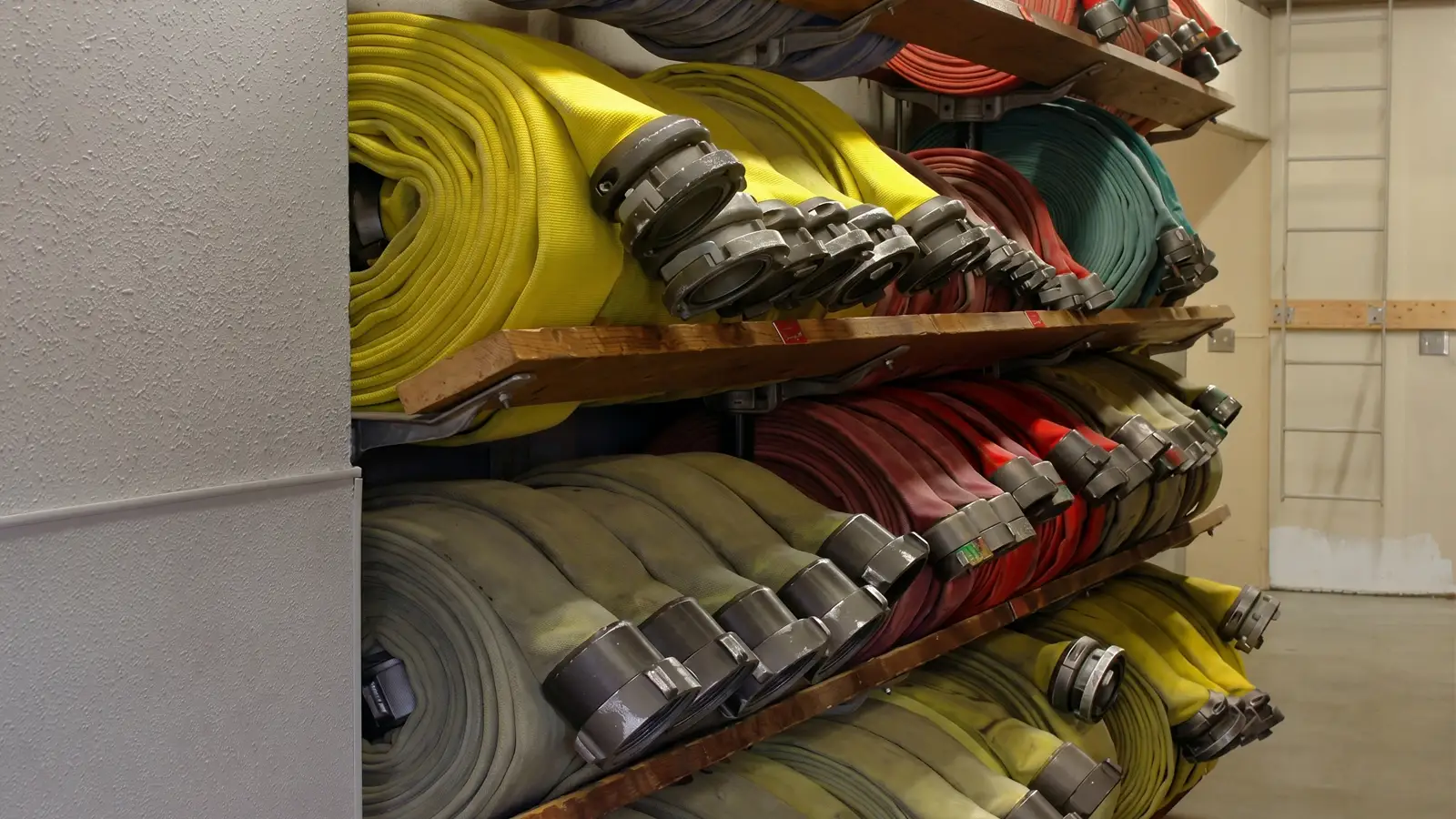
Every rental setup is configured based on flow rate, discharge distance, pressure requirements, and site conditions. This ensures the system performs reliably without overdesign or unnecessary cost.
Talk to Anaconda to configure a rental system that installs fast and performs reliably
Industrial Applications We Support
Anaconda Pipe and Hose systems are deployed across operations that move water, slurry, chemicals, and bulk materials under variable pressure, abrasive conditions, and changing layouts. From temporary bypass systems to long-distance slurry pipelines, each setup is selected based on material behavior, flow requirements, and field constraints.
Agriculture
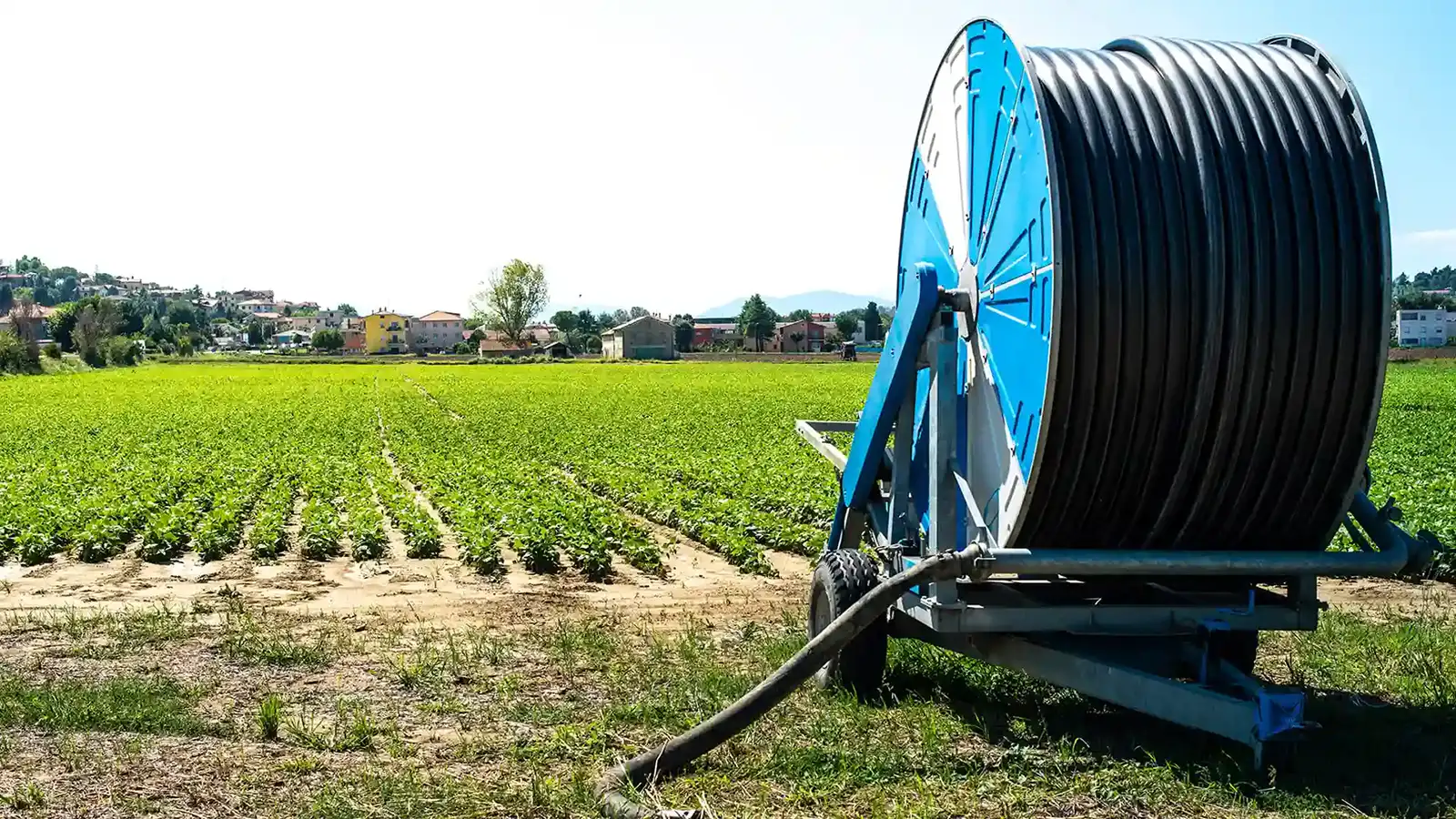
Used for high-volume irrigation, seasonal water transfer, and drainage systems. Lay flat hose enables rapid deployment across large fields, while HDPE pipe supports structured distribution where consistent flow and durability are required.
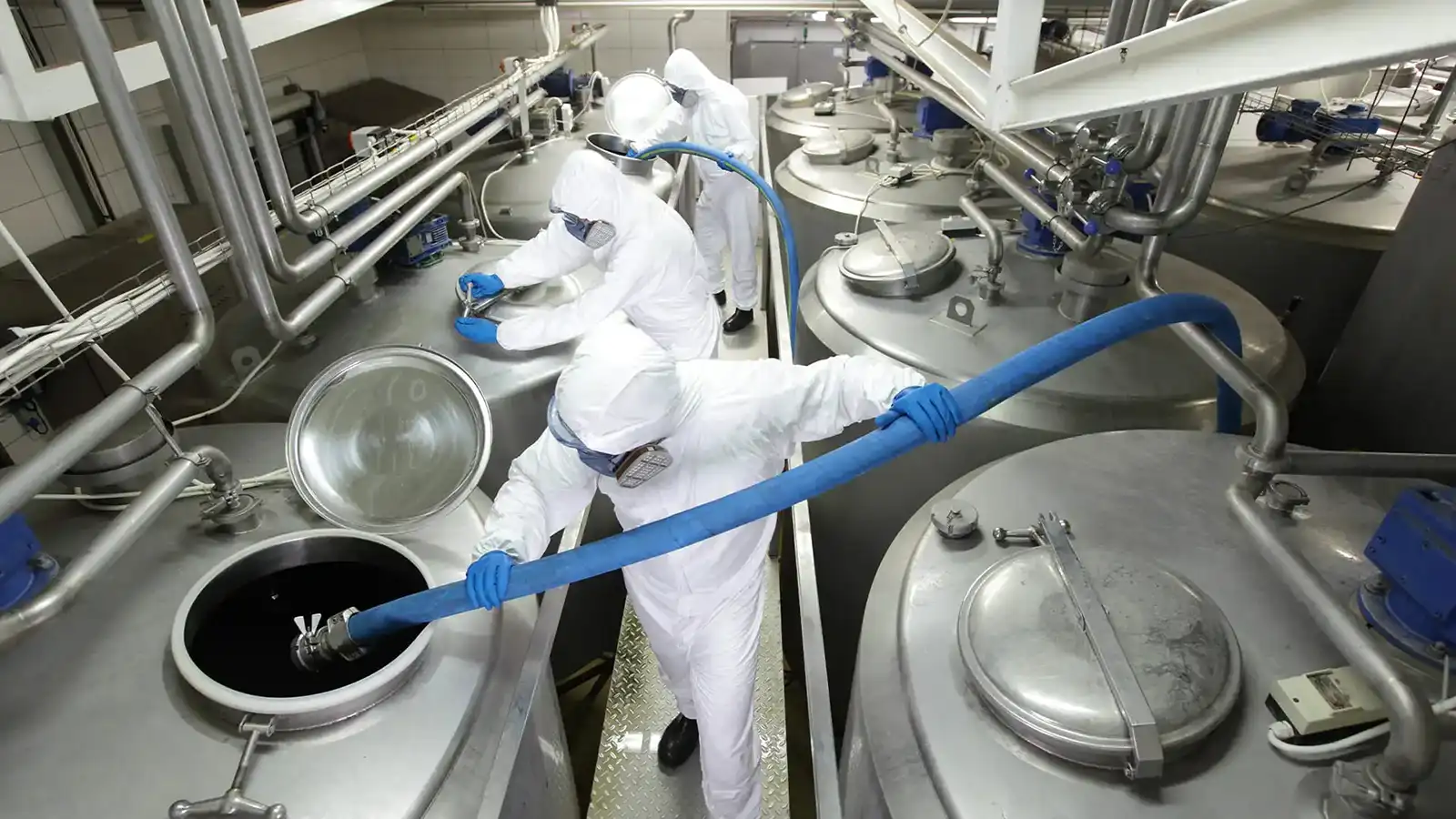
Chemical Processing
HDPE pipe and compatible hose systems are used to transfer chemically aggressive fluids where corrosion resistance and leak control are critical. Systems are configured to maintain containment and long-term reliability under controlled pressure conditions.
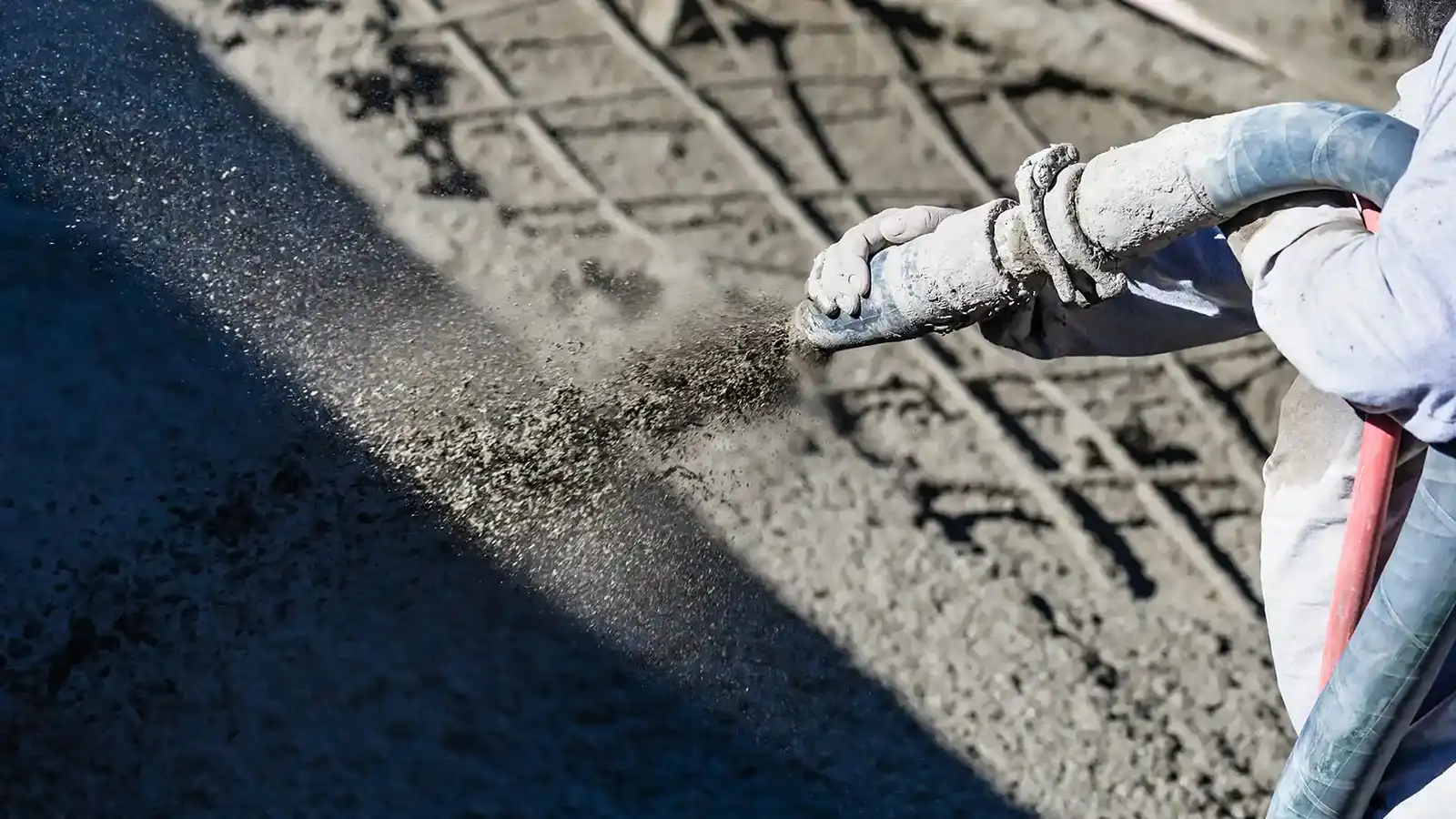
Construction
Supports dewatering, bypass pumping, and site fluid management. Lay flat hose is typically used for temporary water movement, while HDPE pipe is deployed when longer runs or stable routing is required across active job sites.
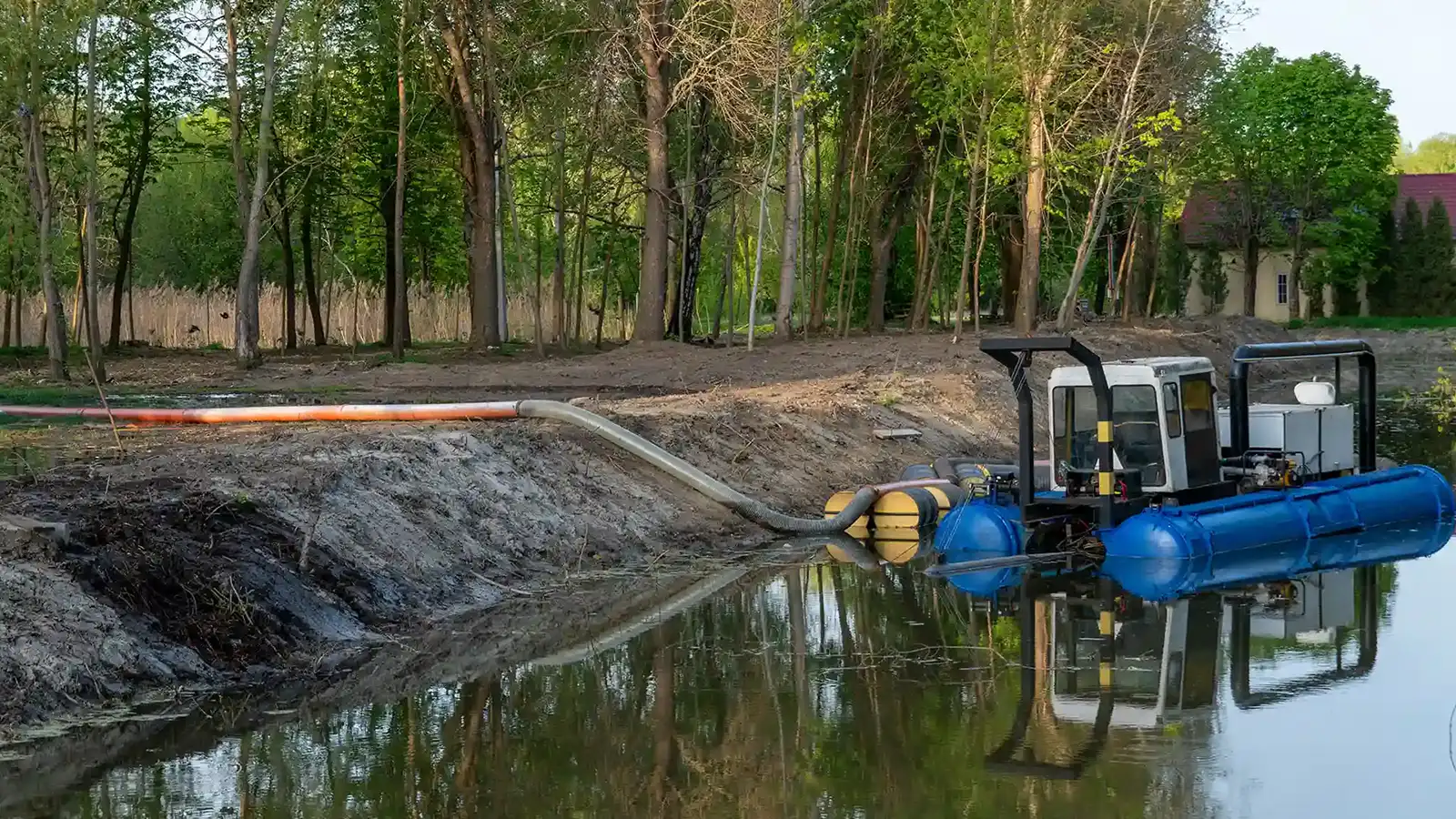
Dredging
Handles transport of sand, silt, and sediment from excavation to discharge points. HDPE pipe is used for main discharge lines, while slurry hose is used at pump connections and high-wear sections exposed to abrasive flow.
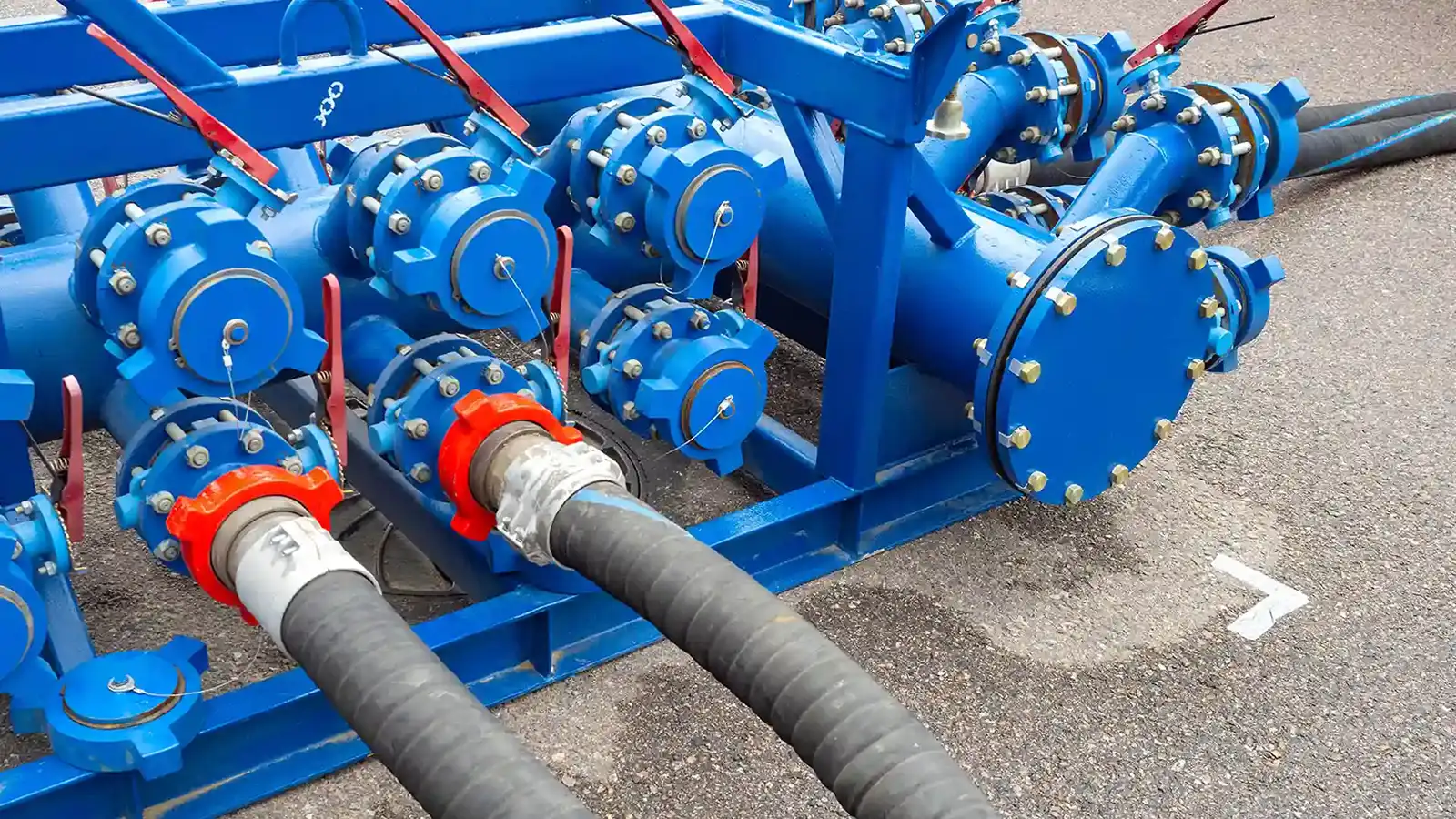
Energy
Used across oil, gas, and power operations for water transfer, support fluid movement, and auxiliary systems. Configurations are selected to handle continuous operation under varying load and environmental conditions.
Environmental
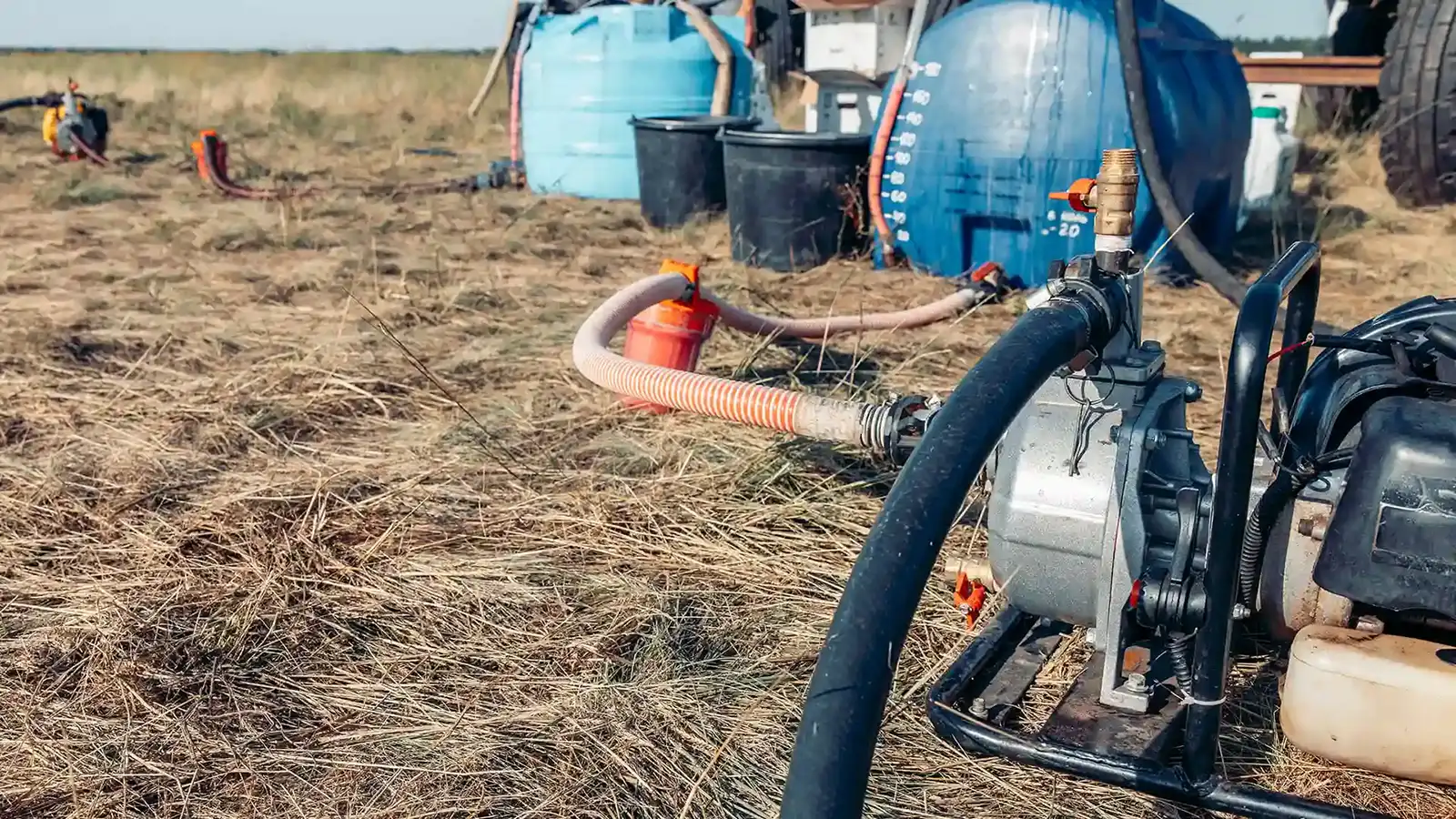
Applied in remediation, sediment control, and water diversion projects. Systems are selected based on containment requirements, material composition, and the need for rapid deployment or reconfiguration.
Fisheries and Forestry
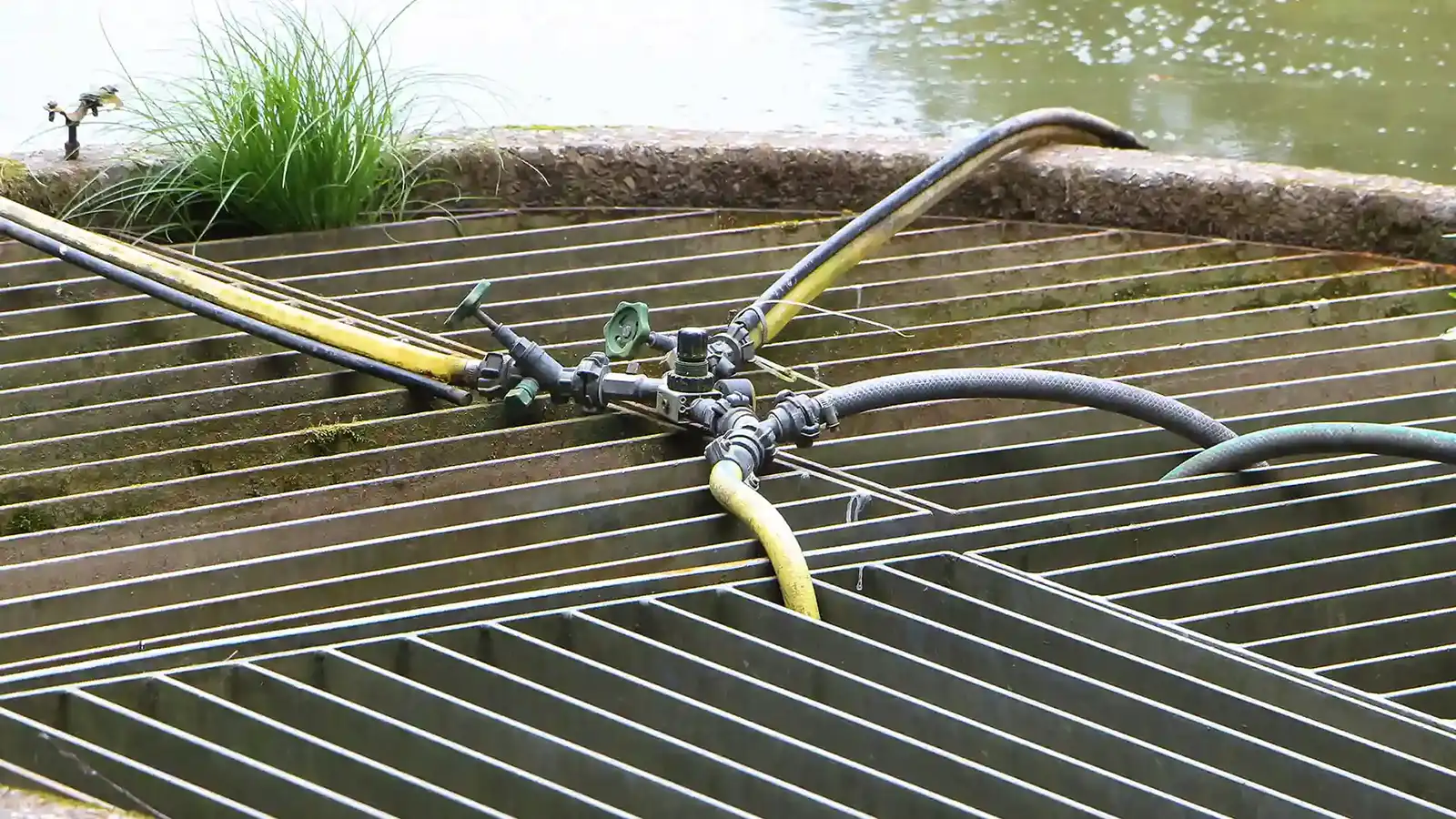
Supports water movement, drainage, and resource handling in remote locations. Lightweight and modular systems reduce installation effort in areas with limited infrastructure access.
Manufacturing
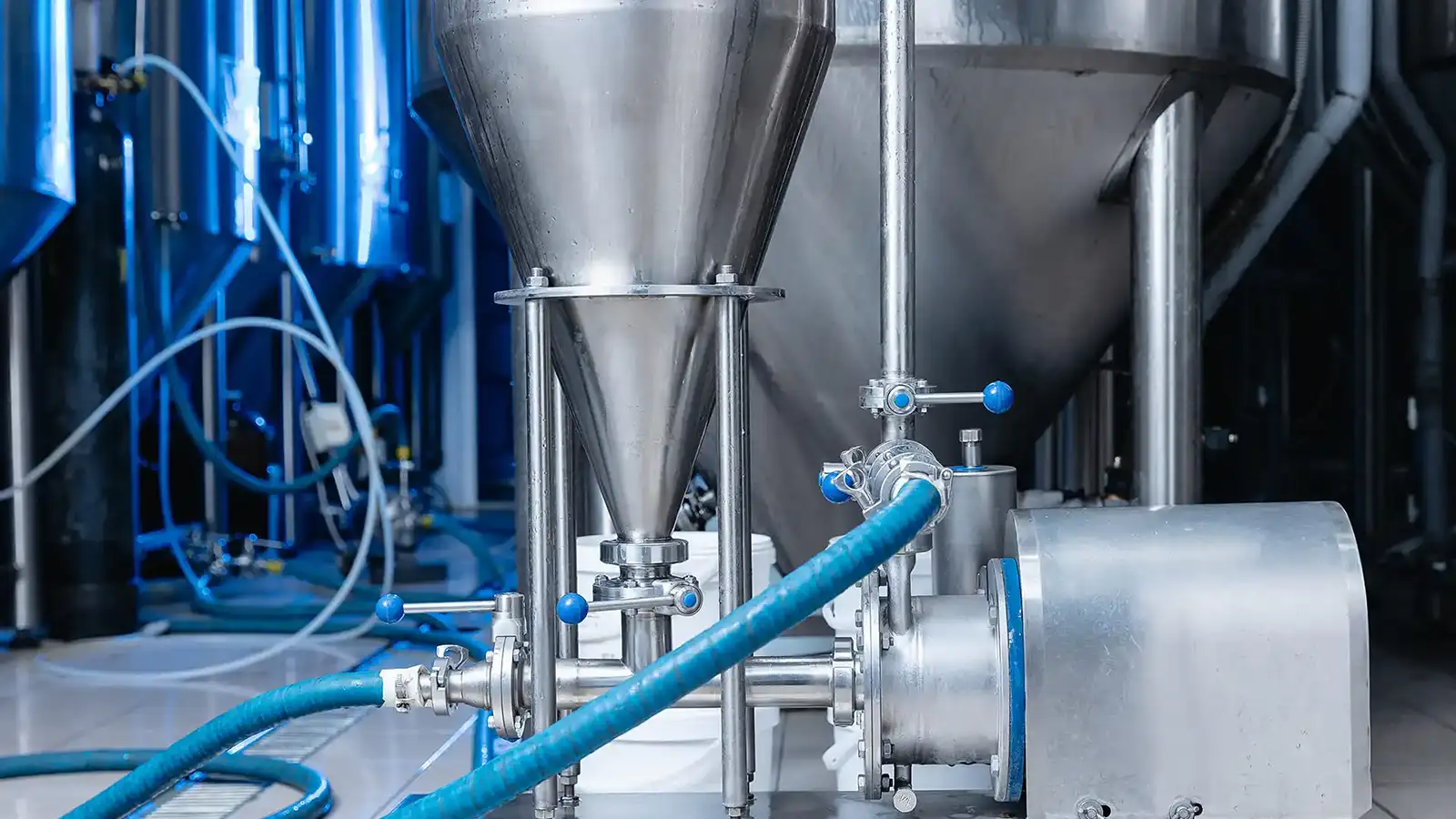
Used for cooling water circulation, process fluid transfer, and waste movement. Systems are integrated into continuous operations where consistent flow and minimal interruption are required.
Mining
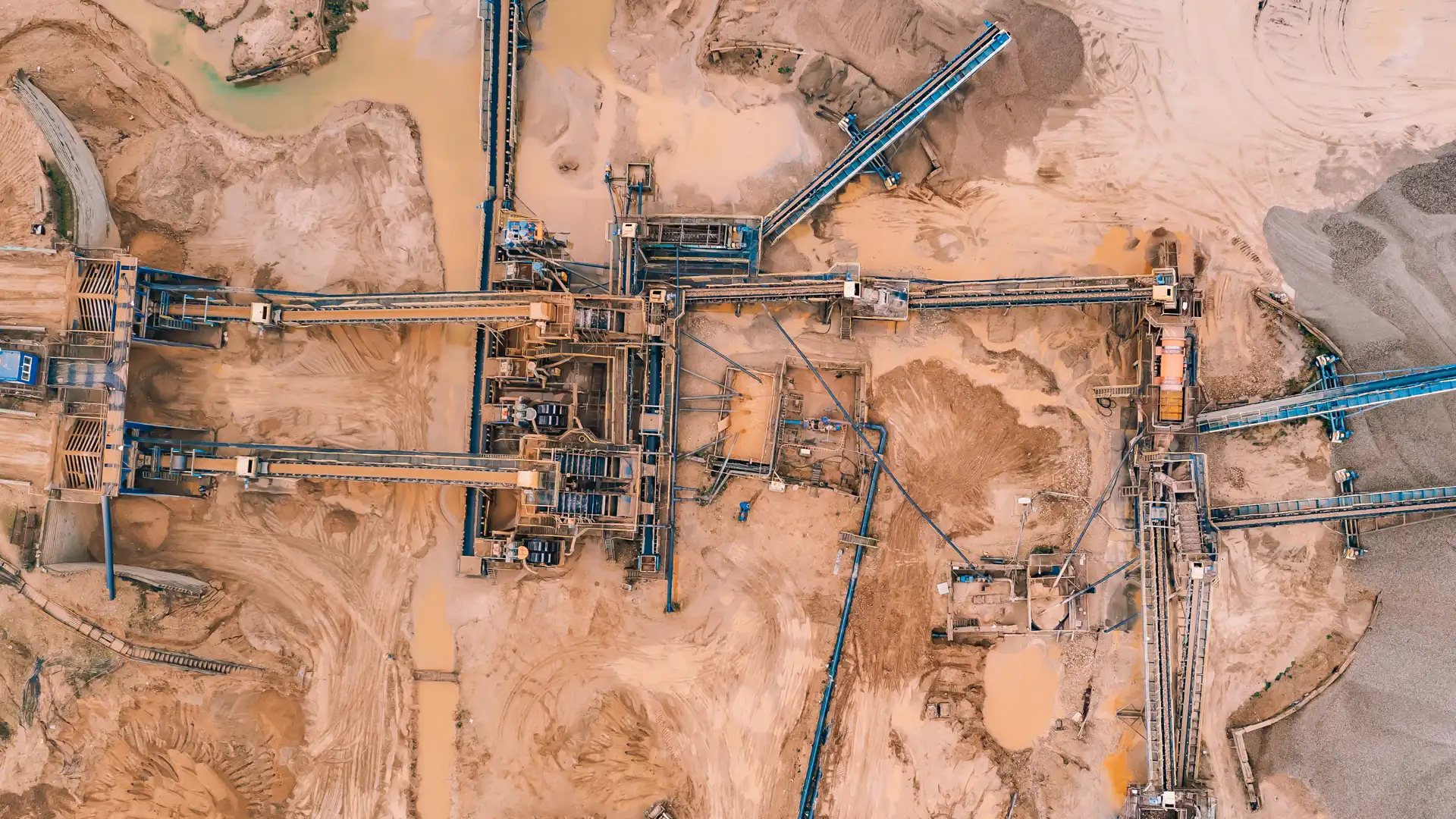
Handles abrasive slurry, tailings, and process water across the extraction and processing stages. Slurry hose is used in high-wear zones, while HDPE pipe supports long-distance transport with reduced maintenance requirements.
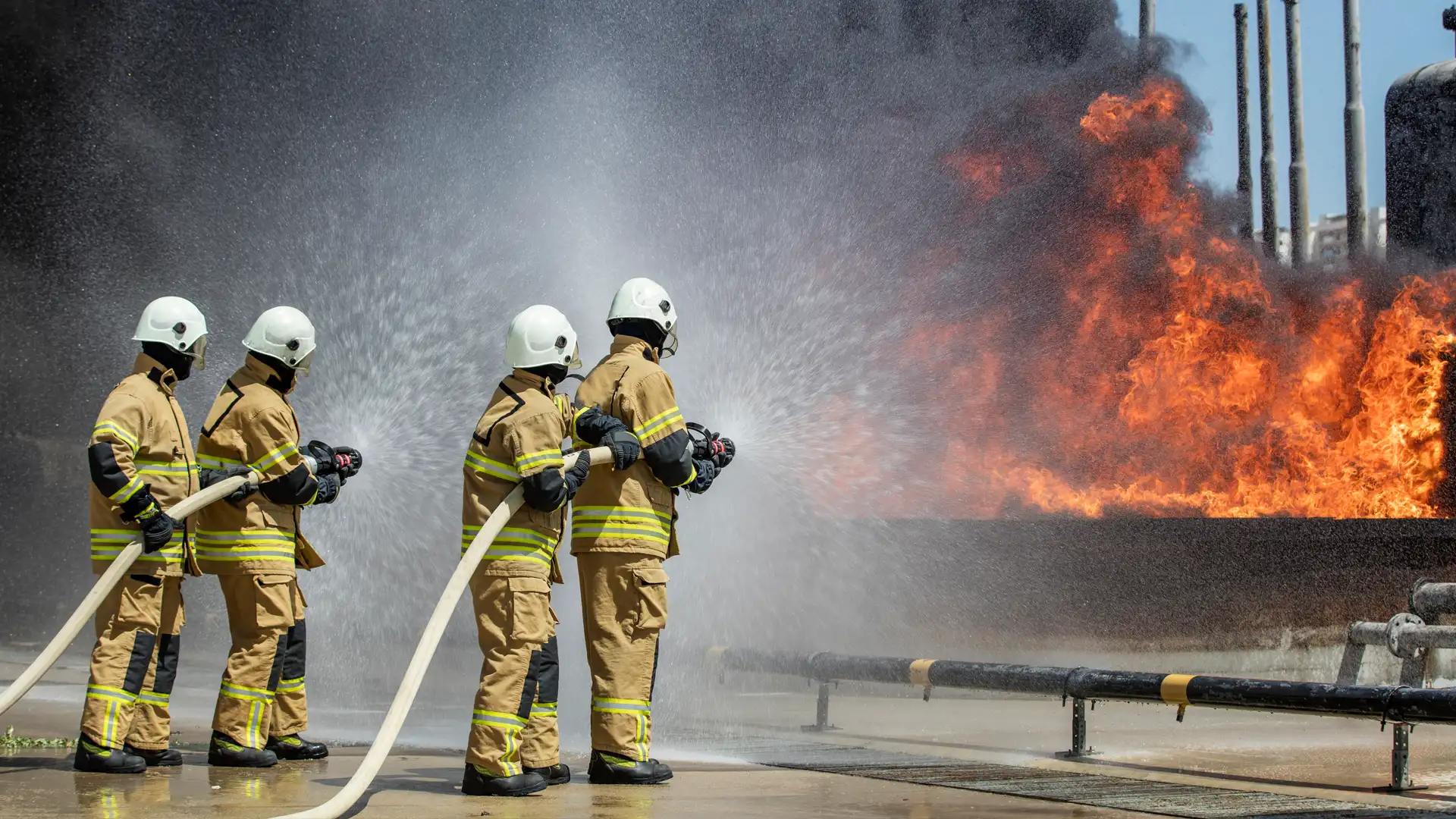
Municipalities
Supports temporary bypass systems, water transfer, and infrastructure maintenance. Lay flat hose is commonly used for rapid deployment during repairs, while HDPE pipe is used for more stable routing.
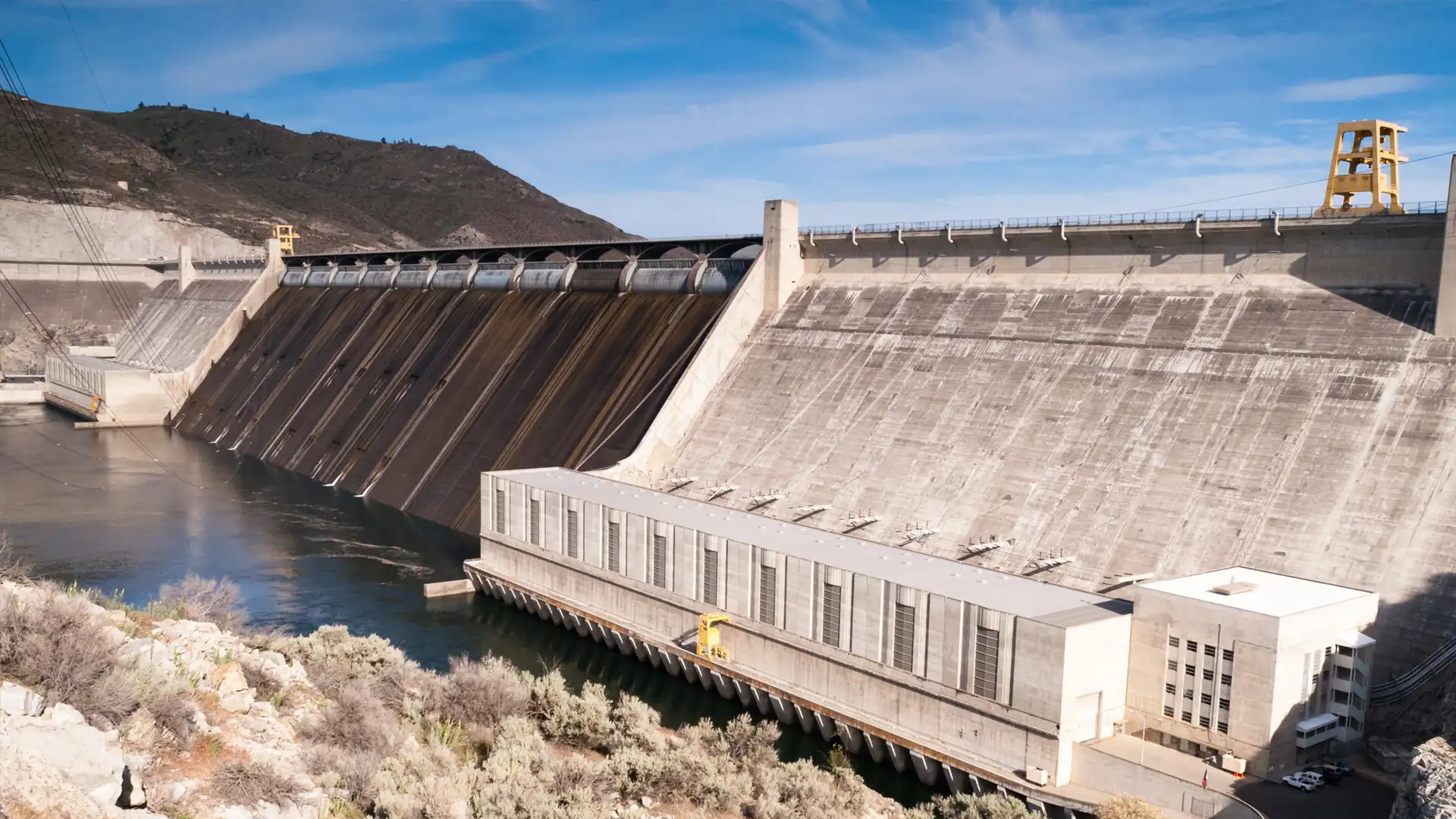
Power Generation
Used for cooling water movement, ash handling support, and auxiliary fluid systems. Equipment is selected for reliability under continuous duty conditions.
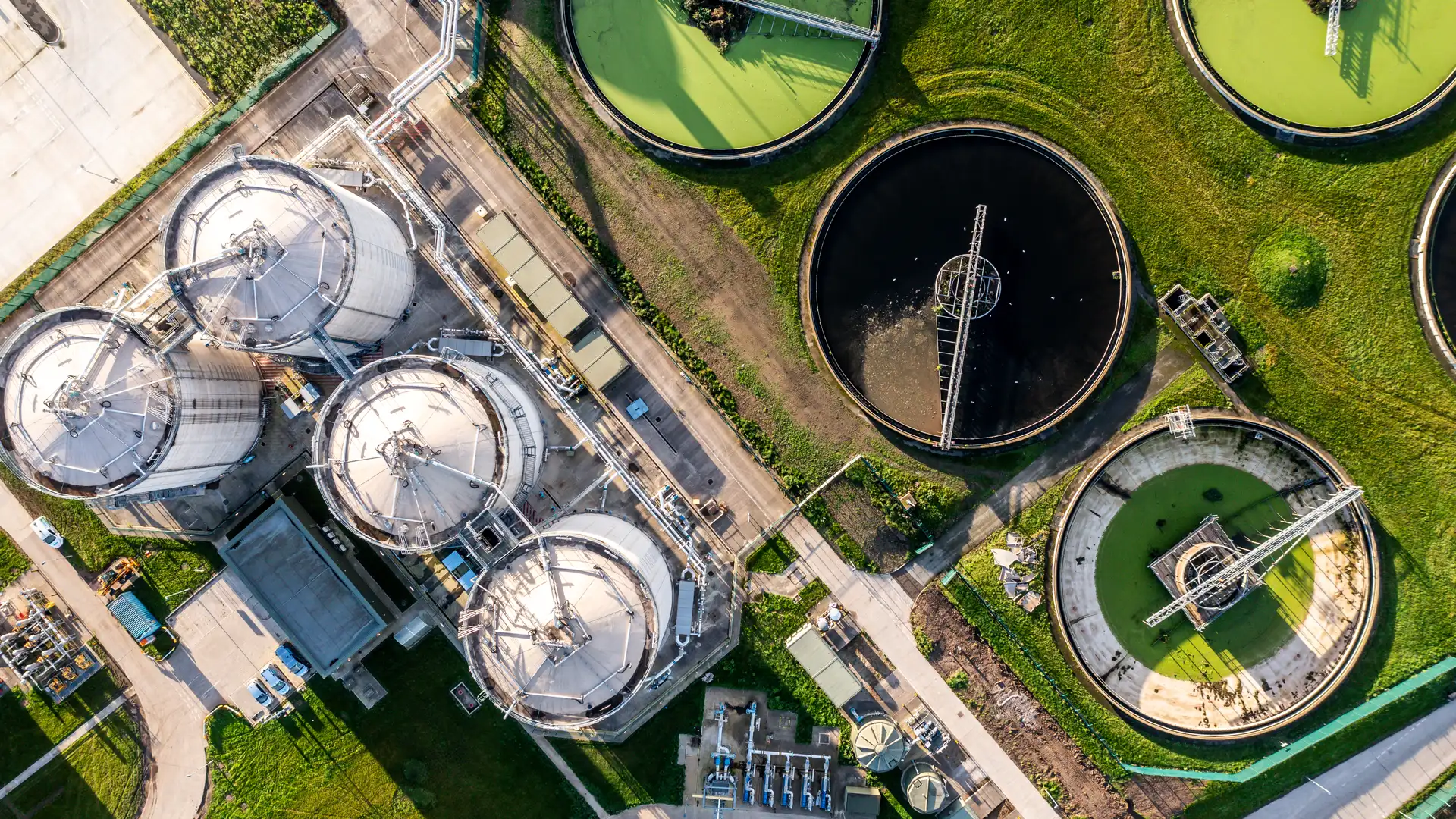
Water and Wastewater
Supports sludge transfer, effluent movement, and treatment processes. Systems are designed to handle variable solids content while maintaining flow consistency and minimizing leaks.
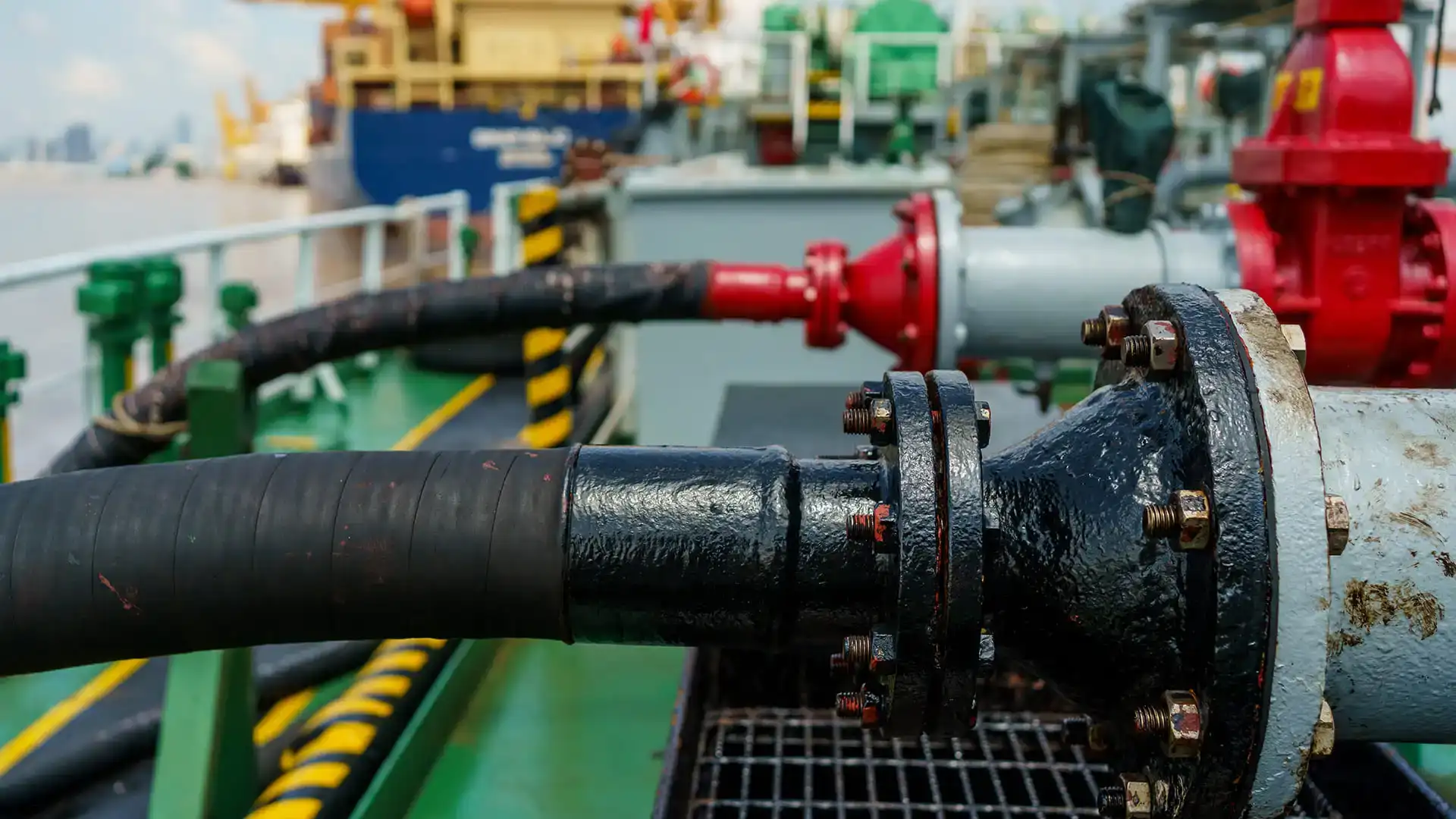
Shipbuilding and Marine
Used in shipyards and coastal operations for fluid transfer, dredging support, and water movement. Materials are selected to withstand corrosive, high-moisture environments and repeated use.
Heavy Duty HDPE Pipe & Hose System - Frequently Asked Questions
How do I choose between HDPE pipe, slurry hose, and lay flat hose for my project?
Selection depends on system layout, material type, and project duration. HDPE pipe is used for long-distance or semi-permanent pipelines where structural stability and abrasion resistance are required. Slurry hose is used in high-wear zones, especially near pumps and discharge points handling abrasive material. Lay flat hose is best for temporary water transfer, bypass pumping, and rapid deployment where flexibility and ease of handling are critical.
What factors should be considered when sizing a pipe or hose system?
Key factors include flow rate, discharge distance, elevation changes, material type, and solids concentration. Abrasive slurries require larger diameters and wear-resistant materials to maintain velocity without excessive friction loss. Pressure requirements, pump capacity, and system layout must also be evaluated to avoid inefficiencies or premature wear.
When does it make more sense to rent instead of purchase pipe or hose systems?
Rental is ideal for short-term, phased, or project-based operations where equipment is not required long-term. It eliminates capital investment, reduces storage and maintenance responsibilities, and allows access to application-specific configurations. Rental also helps align costs directly with project timelines, improving budget control.
What types of materials can Anaconda pipe and hose systems handle?
These systems are designed to handle water, slurry, sludge, sand, tailings, chemicals, and sediment-heavy fluids. Material selection depends on abrasiveness, chemical compatibility, and solids content. HDPE pipe provides corrosion resistance, while slurry hoses are engineered for continuous exposure to abrasive materials.
How do quick-connect systems improve installation and project efficiency?
Quick-connect systems such as Bauer fittings significantly reduce installation time and labor requirements. They allow rapid assembly, disassembly, and reconfiguration without specialized tools. This is especially valuable in projects where system layouts change frequently or where downtime must be minimized.
Can these systems handle abrasive and high-solids applications without frequent failure?
Yes, when properly selected. Slurry hoses are reinforced with abrasion-resistant materials and are designed for high-wear environments. HDPE pipe maintains internal flow characteristics and resists corrosion and wear over long distances. System design must ensure proper velocity and minimize turbulence to reduce wear rates.
What pressure ranges can these pipe and hose systems operate under?
Pressure capacity varies by product. HDPE pipe pressure is determined by its DR rating, with lower DR values supporting higher pressure. Slurry hoses typically operate in the 110 to 150 PSI range for discharge applications. Lay flat hoses can range from approximately 150 PSI to over 700 PSI, depending on construction and application.
How are pipe and hose systems configured for different job-site conditions?
Systems are configured based on flow requirements, terrain, available space, and operational constraints. HDPE pipe is used for structured routing and long runs, slurry hose for flexible high-wear sections, and lay flat hose for temporary or mobile setups. Combinations of these products are often used to optimize performance and installation efficiency.
What support is provided during system selection and deployment?
Technical support is provided to help define the correct pipe diameter, hose type, pressure rating, and system layout. This includes evaluating flow rates, discharge distances, and material characteristics to ensure the system performs reliably. Support typically extends from initial planning through installation and operation.
How quickly can a pipe or hose system be deployed on-site?
Deployment time depends on system type and scale. Lay flat hose systems can be deployed rapidly due to their lightweight and flexible design. HDPE pipe systems with quick-connect fittings allow fast modular assembly. Rental systems are typically supplied ready for immediate deployment, reducing lead time and keeping projects on schedule.
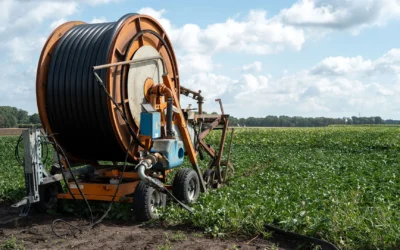
Rental Layflat Hose for Agricultural and Irrigation Water Transfer
Agricultural lay-flat hose selection starts with the media and how the hose moves. Anaconda’s Premium 200 is aimed at...
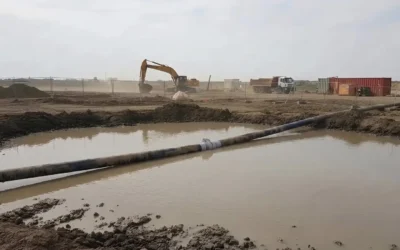
Bauer Fittings Explained: Quick-Connect Systems for Rental Pipe and Hose
Bauer fittings are lever-lock couplings used to assemble compatible pipe and hose sections quickly. They are not...
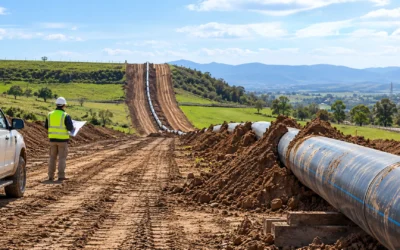
Mobilizing and Demobilizing a Rental Pipeline: Field Guide
A rental pipeline mobilization plan should be completed before the trucks arrive. It must cover the approved system...
Contact Anaconda Pipe & Hose
Speak with our experts to define the right solution for your project. Our team supports you from initial planning through execution.