- What Makes HDPE Pipe Solutions Effective for Industrial Fluid Transport
- Anaconda’s HDPE Piping Systems Built for Real Industrial Conditions
- How HDPE Pipe Solutions Improve Efficiency in Industrial Fluid Transport
- Applications Where HDPE Piping Systems Deliver Reliable Performance
- Selecting the Right HDPE Pipe Solutions for Your Project
- How Anaconda Pipe and Hose Supports Industrial Fluid Transport Projects
- Advantages Industrial Teams Gain by Using HDPE Pipe Solutions
- Practical Considerations When Choosing HDPE Pipe Solutions
- Why HDPE Pipe Solutions Continue to Support Modern Industrial Transport Needs
Anaconda Pipe and Hose supplies HDPE piping systems that are built for real field conditions, including its DR11 and DR17 product lines. Both are designed for durability, ease of handling, and consistent performance, which helps operators create fluid transport systems that are easier to manage over time. Whether the goal is a long-term installation or a setup requiring regular adjustments, HDPE provides a practical foundation for stable, efficient transport.
This blog walks you through how HDPE improves industrial fluid flow, where it performs well, and why Anaconda’s HDPE options deliver excellent value across a wide range of project types.
What Makes HDPE Pipe Solutions Effective for Industrial Fluid Transport
Strong Material Build for Demanding Conditions
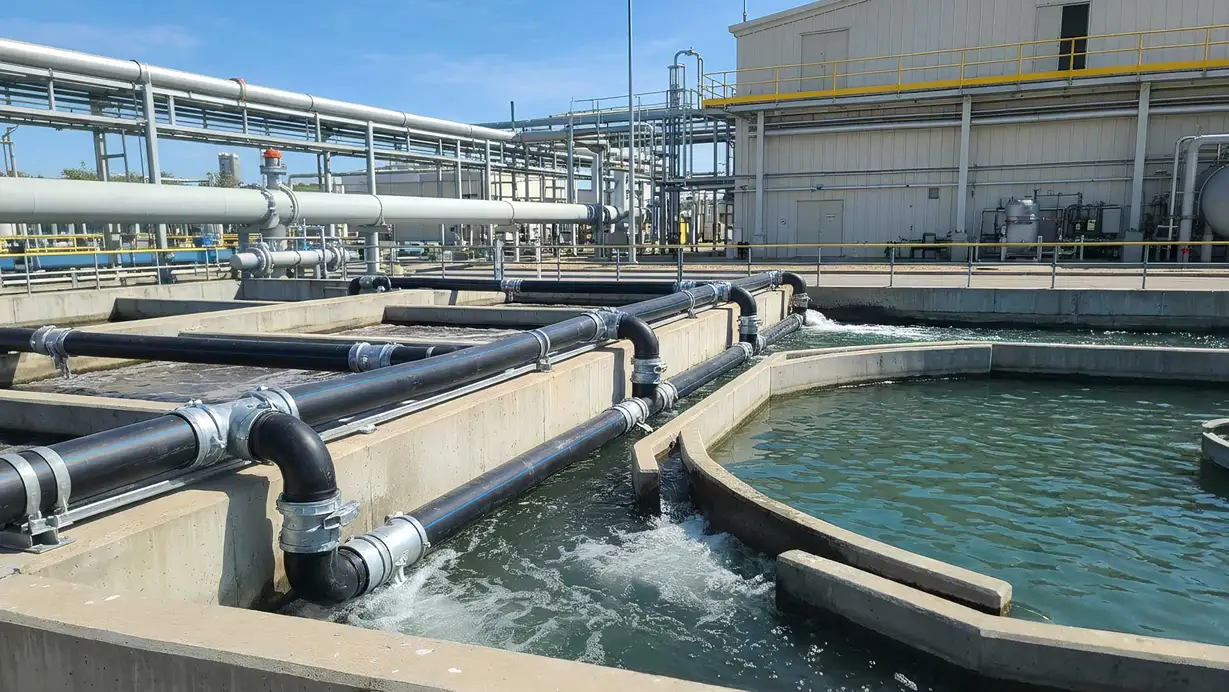
HDPE is known for its higher pressure and more demanding flow conditions, which help it withstand industrial fluid transport conditions, including regular movement, pressure changes, and outdoor exposure. Anaconda’s DR11 and DR17 pipes are designed for these conditions, providing operators with a wide range of options for continuous fluid transport.
Resistance to Corrosion and Environmental Wear
One of the main advantages of HDPE is that it does not corrode. This makes it suitable for projects involving water, slurry, or other materials that can cause issues with traditional metal piping. Both DR11 and DR17 benefit from this material stability, which helps maintain system performance over longer periods.
Smooth Internal Flow Path for Better Efficiency
The smooth internal surface of HDPE promotes stable fluid flow and reduces flow resistance. For industrial teams, this can contribute to more consistent system behavior and easier management of daily operations, especially in continuous-running setups.
Flexibility That Supports Installation and Movement
HDPE is easier to handle than more rigid piping materials. This simplifies installation and gives teams greater flexibility to adjust or extend their system layout. Whether the project is temporary or long-term, the DR11 and DR17 lines offer practical handling advantages.
Suitable for a Wide Range of Industrial Uses
Both DR11 and DR17 HDPE pipes are used across different industries that depend on reliable fluid movement. Their durability and ease of use make them suitable for environments where systems must run reliably without frequent intervention.
Anaconda’s HDPE Piping Systems Built for Real Industrial Conditions
Designed for Field Durability
Anaconda’s DR11 and DR17 HDPE piping systems are built with the durability that industrial operations depend on. Both product lines are designed to operate in demanding environments where pipelines experience regular use, shifting site conditions, and ongoing fluid movement. Their construction helps maintain stability and reliability across different types of projects.
Consistent Manufacturing for Predictable System Performance
A key advantage of Anaconda’s HDPE range is the consistency of pipe production. This uniformity helps operators plan and manage their systems with confidence, since the piping behaves predictably across long runs and extended hours of operation. Teams gain performance predictability that is critical when a system must run without interruption.
Practical Handling and Simplified Setup
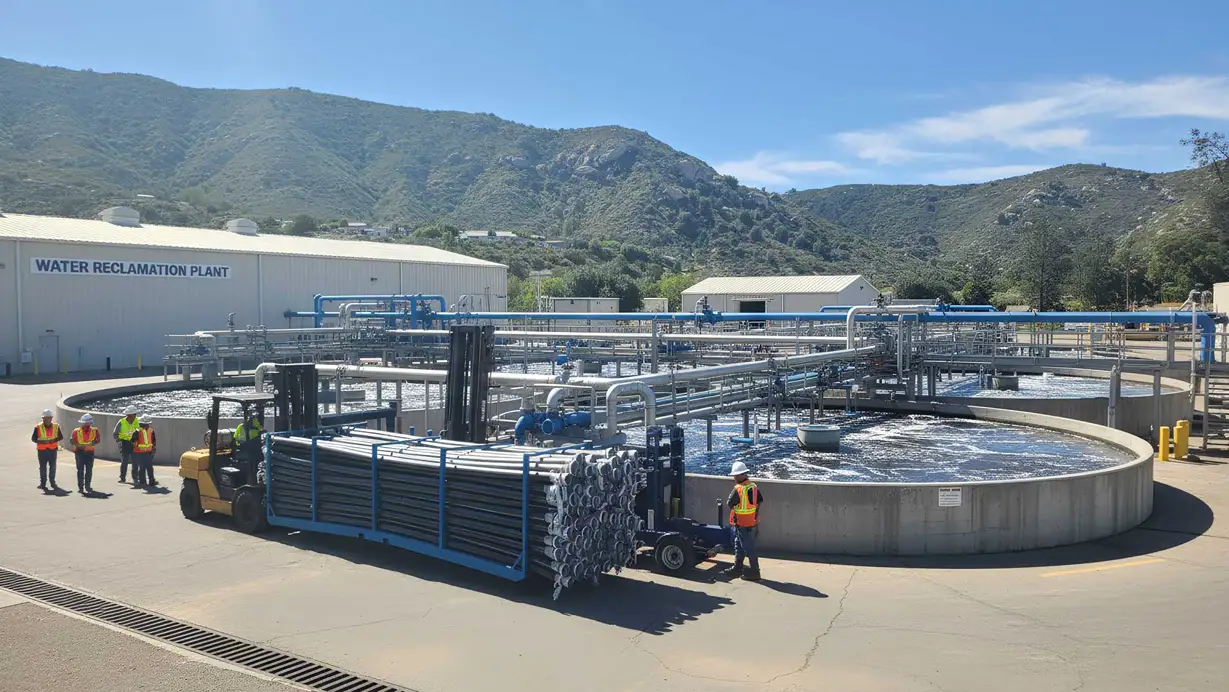
Both DR11 and DR17 pipes are easier to transport and install compared to heavier materials. This supports faster setup times and smoother adjustments in the field. For teams working under tight schedules or changing site layouts, this ease of handling helps reduce unnecessary delays and effort.
Flexible Options for Different Project Requirements
Industrial fluid transport projects vary in their requirements for durability, pressure tolerance, and long-term stability. Anaconda’s dual HDPE range offers options that align with these differences. DR11 supports high-demand environments where extra strength is needed, while DR17 provides a reliable choice for operations where a slightly lighter yet durable pipe is more suitable. This gives operators flexibility without requiring customized manufacturing.
A System That Supports Long-Term Reliability
Both product lines are designed to perform consistently over time. The material’s resistance to environmental wear and its stable performance characteristics provide a reliable foundation for fluid transport systems. This helps teams focus more on operational work rather than troubleshooting pipeline issues.
How HDPE Pipe Solutions Improve Efficiency in Industrial Fluid Transport
Stable Performance That Supports Continuous Operations
Industrial fluid transport systems often operate for extended periods, and piping reliability directly affects overall efficiency. HDPE maintains consistent performance under routine operating conditions, helping teams maintain fluid flow throughout the day. This stability reduces the risk of slowdowns and supports an uninterrupted workflow.
Lower Maintenance Burden for Onsite Teams
HDPE’s resistance to corrosion and general wear means fewer maintenance needs compared to materials that degrade more quickly. Both DR11 and DR17 pipes help reduce the frequency of inspections, replacements, or unplanned service work. This allows teams to allocate their time and resources to core operational tasks rather than ongoing repairs.
Easier Installation That Speeds Up Project Timelines
HDPE is simpler to handle, transport, and position. This translates to faster installation and smoother setup, especially on sites where conditions shift or projects evolve. Whether teams are establishing a new pipeline or modifying an existing layout, HDPE makes the process more efficient.
Adaptability Across a Variety of System Layouts
Fluid transport systems differ from site to site. Some require longer runs, while others involve frequent changes or temporary structures. HDPE pipe solutions are well-suited to both situations because they are more easily adapted than rigid alternatives. DR11 and DR17 offer options that help operators tailor the system to how the site operates.
Long-Term Value Through Reliable Operation
Efficiency is not only about speed but also about consistency. When a piping system performs reliably over time, operational costs become easier to manage. HDPE’s durability supports this long-term value by reducing disruptions and helping maintain steady system output.
Applications Where HDPE Piping Systems Deliver Reliable Performance
Fluid Transport Systems in Industrial Operations
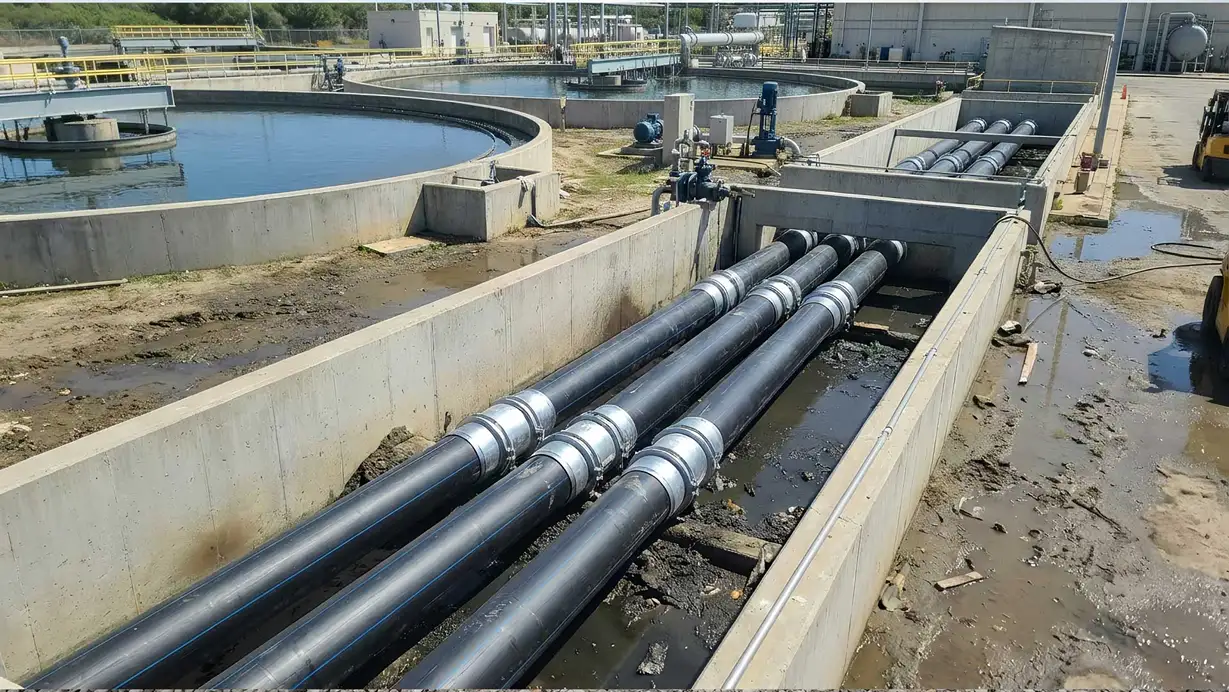
Many industrial fluid transport activities depend on pipelines that reliably move fluids. HDPE performs well in these situations because it remains stable under routine pressures and daily operating conditions. This makes it a practical choice for sites that require dependable, around-the-clock performance.
Projects That Require Flexible Installation and Adjustment
Some systems need to be set up quickly or reconfigured as work progresses. HDPE’s lighter weight and easier handling make these transitions smoother. Whether the project is temporary or part of a longer construction or operational cycle, HDPE helps teams adapt without unnecessary delays.
Environments With Exposure to Wear and Changing Conditions
Industrial sites often encounter outdoor elements, heavy workloads, and varied terrain. HDPE is well-suited for these environments because it is designed to withstand day-to-day stress. DR11 and DR17 both support stable operation, ensuring pipes perform reliably under shifting field conditions.
Operations That Need Consistent, Predictable Flow
Fluid flow must remain uniform for many processes to operate correctly. HDPE’s smooth internal path supports steady flow and helps reduce disruptions caused by internal buildup or material resistance. This consistency is valuable for teams focused on keeping systems running at a predictable rate.
Applications That Benefit From Long-Term Durability
In many industries, downtime directly impacts productivity. HDPE’s long working life and resistance to common forms of pipeline degradation help reduce unplanned interruptions. DR11 and DR17 provide operators with a reliable option for systems intended to remain in service for extended periods.
Selecting the Right HDPE Pipe Solutions for Your Project
Understanding Operational Demands
Every project has its own working conditions, whether it is continuous flow, variable loads, or a mix of both. Choosing between DR11 and DR17 becomes easier when teams understand the type of environment the pipeline will support. DR11 is often selected for more demanding settings, while DR17 offers a reliable option for moderate requirements.
Matching the Pipe to System Expectations
Different systems require different levels of durability, ease of handling, and long-term stability. HDPE enables operators to select an option that aligns with their setup’s daily requirements. By choosing the pipe grade that best suits the expected workload, teams create a system that supports smooth operation.
Supporting Installation Planning and Workflow
The handling characteristics of HDPE simplify planning. Whether the system involves a straight run or multiple layout changes, DR11 and DR17 pipes are easier to position and adjust than more rigid alternatives. This helps teams build a layout that is both practical and efficient.
Considering Long-Term Maintenance and Reliability
Selecting the right pipe also depends on how well it performs over time. Both DR11 and DR17 are designed to remain stable with regular use. Factoring in long-term performance helps operators select a pipe that reduces unexpected service requirements and keeps the system running smoothly.
Ensuring Compatibility With Existing or Future System Designs
HDPE performs well across a range of industrial applications. When teams need to integrate new lines into an existing system or prepare for future expansion, the adaptability of DR11 and DR17 supports straightforward adjustments. This flexibility makes HDPE a practical choice for evolving projects.
How Anaconda Pipe and Hose Supports Industrial Fluid Transport Projects
Focused on Supplying Field-Ready HDPE Solutions
Anaconda provides HDPE Pipe Solutions that are built to perform in real industrial conditions. Both DR11 and DR17 options are designed for durability and reliability, giving teams confidence when setting up systems that require steady, long-term operation.
Products Designed for Practical Onsite Use
The company’s HDPE piping is easy to handle, which simplifies transportation, installation, and adjustments. This is especially valuable in environments where timelines are tight or system layouts change as projects progress.
Options That Help Match Different Project Requirements
By offering multiple HDPE pipe types, Anaconda gives operators the flexibility to choose a solution that meets the strength and performance requirements of their system. DR11 is a stronger option for more demanding projects, while DR17 is a reliable choice for general industrial applications.
Consistent Quality That Supports System Stability
Both DR11 and DR17 HDPE pipes are manufactured with a focus on uniformity and reliability. This consistency helps industrial teams build systems that perform predictably across long runs and operating hours. Knowing the pipes will behave as expected brings stability to day-to-day operations.
Support for a Wide Range of Industrial Applications
Anaconda’s HDPE piping systems are used across industries that require regular fluid flow. Whether for water transfer, process flow, or general industrial fluid transport, the product range is designed to support diverse operational needs without unnecessary complexity.
Advantages Industrial Teams Gain by Using HDPE Pipe Solutions
Reliable Performance in Daily Operations
HDPE Pipe Solutions offer steady, consistent performance, which is necessary for projects that depend on continuous fluid movement. Their durability helps keep systems running without frequent disruptions, giving teams more confidence in daily operations.
Reduced Maintenance and Fewer Unexpected Issues
Because HDPE resists corrosion and general wear, it requires less attention than many traditional piping materials. Both DR11 and DR17 help minimize routine maintenance demands, allowing teams to focus on core tasks rather than frequent pipeline checks.
Easier Handling Compared to Heavier Alternatives
HDPE Pipe Solutions is lighter and more manageable, which helps with transporting, positioning, and adjusting pipeline layouts. This contributes to smoother installation processes and enables field teams to make changes as needed without delaying project timelines.
Adaptability Across Different Industrial Systems
Industrial facilities often require piping that can work within existing layouts or adjust to new ones. HDPE Pipe Solutions supports this flexibility well. Both DR11 and DR17 integrate smoothly into a range of transport systems, whether it is a long-term setup or a temporary project requiring periodic adjustments.
Strong Long-Term Value
A piping system is most effective when it remains reliable over time. HDPE’s durability, combined with its lower maintenance needs, makes it a cost-effective option for many operations. Teams benefit from fewer interruptions and a system that supports long-term efficiency.
Practical Considerations When Choosing HDPE Pipe Solutions
Understanding Your Project’s Operating Conditions
Before selecting an HDPE pipe, it helps to understand how the system will be used. Projects with heavier workloads or more demanding conditions may lean toward DR11, while DR17 can be a strong fit for more moderate requirements. Knowing the environment ensures the pipe supports the system effectively.
Looking at How the Pipeline Will Function Day to Day
Some setups run continuously while others involve frequent movement, layout changes, or temporary structures. HDPE suits both types, but selecting the appropriate pipe grade helps ensure the material matches how the team will work with it in the field.
Evaluating Installation Needs and Workflow
If your project involves tight schedules or a limited workforce, handling and installation become important factors. HDPE’s ease of use streamlines setup, so selecting a grade that matches your installation pace can make the overall process smoother.
Planning for Long-Term System Reliability
A well-functioning pipeline reduces disruptions and avoids unplanned adjustments over time. Both DR11 and DR17 are designed for dependable performance, but understanding your long-term operational goals can help determine which option better matches your expectations.
Ensuring Fit With Current or Future System Layouts
HDPE is used in a variety of industrial applications. Whether you are integrating into an existing setup or preparing for future expansion, selecting a pipe grade that strikes the right balance of strength and flexibility helps ensure a system that can grow or adapt without major changes.
Why HDPE Pipe Solutions Continue to Support Modern Industrial Transport Needs
Industrial fluid transport systems perform best when the piping behind them is reliable, easy to manage, and suited to real operating conditions. HDPE Pipe Solutions remains a strong choice for these needs because it offers durability, flexibility, and reliable day-to-day performance. For many industrial teams, this translates into fewer interruptions, smoother system operation, and a setup that is easier to maintain over time.
Anaconda Pipe and Hose strengthens this value by offering HDPE options that fit a variety of project requirements. With both DR11 and DR17 available, operators can select a solution that aligns with their environment’s demand and their expectations for system performance. The manageable handling, consistent build quality, and long-term stability of these pipes help create fluid transport systems that support productivity rather than complicate it.
Whether a project requires a pipeline that remains in place for years or one that must adapt to changing site conditions, Anaconda’s HDPE pipe solutions provide a reliable foundation for improving the flow of industrial fluids from point to point.
0 Comments